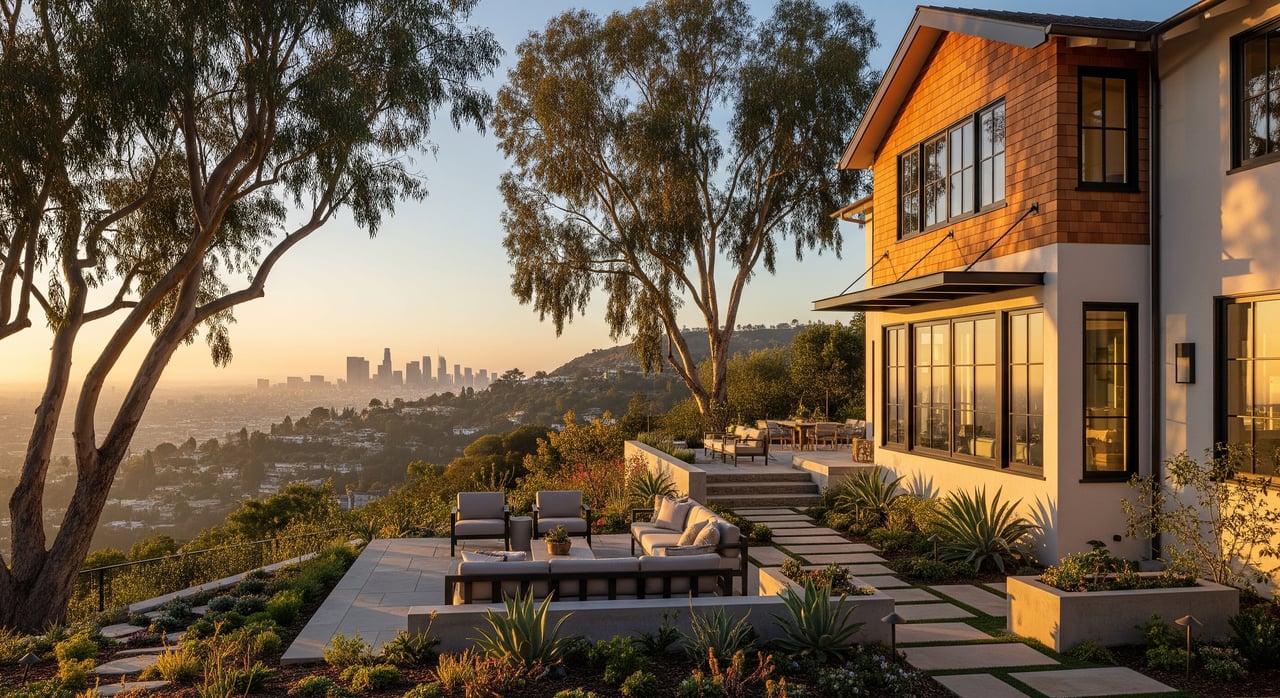
Pricing a hillside home in Mount Washington is not the same as pricing a home on a flat street. Elevation, stairs, views, and parking all shape who shows up and what they offer. If you want strong traffic and a smooth appraisal, you need a plan that blends the art of presentation with the realities of hillside living. This guide breaks down how views, access, parking, condition, and price bands influence outcomes in Mount Washington, and gives you practical strategies you can act on. Let’s dive in.
Why Mount Washington pricing is different
Mount Washington sits on steep terrain with narrow streets, stair access to many front doors, and a mix of bungalows, midcentury homes, and modern builds. Those physical traits are part of the charm, but they also shape price and buyer demand.
Buyers are often drawn to views and character, or they are moving from nearby flats and want a foothold on the hill. Investors and developers shop selectively when lot size, access, and zoning align. Inventory can be thinner than citywide averages, which supports premiums for scarce, well located properties that are easy to access and well documented.
Regulatory and risk items matter more here. California sellers must provide a Natural Hazard Disclosure that covers wildfire, landslide, flood, and earthquake fault zones where applicable. Steep lots may also involve grading, retaining wall, and permit considerations through the City. Unpermitted work and unclear slope history can push buyers to discount or pass.
What drives price on the hill
View premium
Not all views are equal. Panoramic skyline outlooks, Griffith Observatory or DTLA views, canyon and valley vistas, and tree canopy sightlines each draw different buyers. A clean, unobstructed, long range view typically expands your buyer pool and supports stronger pricing.
View value is incremental and depends on what nearby listings offer. If only a few homes have clear outlooks, the premium grows. If many do, the premium compresses. Orientation, time of day, and view permanence also matter, especially if a future build could block your line of sight.
Usable outdoor space and slope
A flat or gently sloped yard that supports entertaining, gardening, a play area, or even a future pool can be a major differentiator. Heavily sloped lots with only terraced areas or long stairs limit use and narrow buyer appeal.
Larger lots or those with usable pads can raise your price ceiling by attracting buyers who want room for an ADU or a thoughtful expansion. On steep parcels, geotechnical, foundation, drainage, and retaining wall work can become relevant. Clear documentation and permits reduce perceived risk and protect value.
Access and stairs
If buyers have to climb a long staircase from the street or from parking, your showing pool narrows to people for whom views and location outweigh access. Families with strollers, older buyers, or those who prioritize easy deliveries and moving may opt out.
Stair heavy homes often take longer to show and inspect. They can trade at a discount compared with similar homes that have direct driveway or garage access. The severity of the access challenge will influence both traffic and price.
Parking and garages
In a hillside setting, covered parking or a usable driveway is a major plus. Lack of a garage or difficult street parking introduces friction and can reduce the number of comparable properties that truly match your home.
Permit only or crowded street parking can deter commuters and reduce urgency, especially in higher price bands. Clear, honest marketing about parking helps set expectations and avoid fallouts later.
Renovation and structural systems
Move in ready updates to kitchens and baths, along with refreshed systems like HVAC, electrical, and water heaters, typically support higher pricing. In hillside homes, structural work, drainage, slope stabilization, and retaining walls carry extra weight. Buyers and lenders look closely at these elements.
Unpermitted work is a red flag. It introduces appraisal and closing risk and often lowers offers. Documentation and permits give buyers confidence and can justify a stronger list price.
Scarcity and comps
Use recent closed sales of hillside homes with similar access and view lines when pricing. Adjustments for view, condition, and parking tend to be larger here than in flat neighborhoods.
Because properties are unique and sample sizes are small, strict comparable based valuation is more art than science. A few headline sales can reset expectations, so watch the most relevant recent deals closely.
Buyer search behavior
Most buyers filter online by price. Listing just under a common threshold can expand your audience. For example, a home positioned at 999,900 often appears in more saved searches than one at 1,025,000.
Strong photos and virtual tours that clearly show view lines, parking, and stair access help buyers self select. This improves early click through, reduces surprises at showings, and supports better offers.
Make pricing bands work for you
What is a pricing band
A pricing band is a range or threshold that determines who sees your home in portal searches or fits within lender and investor limits. Psychological round numbers create clear breaks in traffic. Positioning near these thresholds can boost visibility.
Visibility effects
Listings priced just below a key threshold usually trigger more search alerts and early showings. In a neighborhood where one extra offer can move the final sale price, those first two weeks matter. More early eyes can translate to stronger terms.
Choose your listing strategy
- Penetration pricing: Price slightly under an important threshold to maximize early showings and improve the odds of multiple offers.
- Market price listing: Set a realistic number based on adjusted comps for view, access, parking, and condition. Aim for steady, qualified traffic.
- High ask with cushion: List above market to leave room for negotiation. Expect slower traffic and a higher risk of appraisal gaps.
Small, targeted repairs that address buyer red flags often deliver a better return than purely cosmetic upgrades. Drainage fixes, retaining wall documentation, or permit clarifications can turn a maybe into a yes.
Timing and staged pricing
When inventory is constrained, bold pricing can yield faster results. In softer moments, accuracy around condition and access is crucial. Staged reductions can hurt algorithmic placement and erode trust. A strategic initial list price is usually the better path.
Inspections, disclosures, and lender issues
Full and accurate disclosures are essential. The Natural Hazard Disclosure must note relevant risks like wildfire, landslide, flood, or earthquake fault zones where applicable. If you know of unpermitted work, disclose it and, if possible, remedy or document it in advance.
Lenders and appraisers pay attention to unusual access and unpermitted structures. If an appraisal comes in low, the deal can wobble unless the buyer can cover the difference. Pricing should consider appraisal risk up front.
Recent reports on geotechnical conditions, foundation and retaining walls, and slope stability can reduce buyer uncertainty and support stronger offers. Be aware that insurance costs for hillside or wildfire exposure influence affordability for some buyers.
Three seller scenarios you can learn from
Example A: High view, limited parking, moderate stairs
- Attributes: Unobstructed skyline outlook from main living areas, one driveway space and no garage, a short stair run to the front door, and recent interior renovations.
- Pricing approach: Lean into the view and renovation quality. Price in the higher mid band while positioning just under a key threshold to widen the funnel. Prepare appraiser packets that highlight comparable sales with similar views and document view permanence when possible.
Example B: Flat pad, minimal view, easy access
- Attributes: Small, mostly flat backyard or patio, two car garage with driveway, direct street access, and a well maintained but dated kitchen.
- Pricing approach: Appeal to the broadest pool with a competitive middle band price. Consider minor updates or a credit for the kitchen. Emphasize move in readiness, parking, and easy access in your marketing.
Example C: Steep lot, long stairs, development potential
- Attributes: Very steep lot with substantial stairs, limited street parking, a large lot with possible ADU or expansion potential, and a need for structural upgrades with unclear permit history.
- Pricing approach: Expect a narrower buyer pool made up of investors and experienced builders. Obtain a geotechnical report and clarify permits before launch. Price in the lower band until risk is reduced, and consider targeted outreach to builders.
Your pricing prep checklist
Bring the right details to your first consult so your agent can build an accurate, market tested plan:
- Full property address and APN
- Clear interior and exterior photos, including multiple angles of any views, plus a virtual tour if available
- Lot size and usable yard area, with notes on slope, stairs count, and elevation changes if known
- Parking specifics, including garage capacity, driveway length, and any street parking rules
- Dates and documentation for upgrades like kitchen, baths, roof, HVAC, electrical, foundation, and any seismic or drainage work
- Geotechnical, grading, or retaining wall reports, plus any known unpermitted work
- Recent utility bills and current insurance premiums if available
- Your timing goals and minimum acceptable net proceeds
- A short list of local sales you believe are comparable
Next steps
If you want price confidence and fewer surprises, pair accurate comps with honest assessments of view, access, parking, and structural history. Put documentation in buyers’ hands early, choose the right price band, and set expectations clearly in your marketing. That is how you earn attention and keep deals together through appraisal and escrow.
“If you’re planning to sell in 3 to 12 months, schedule a pricing consult that covers: the exact home address, recent permits and upgrades, number of stairs and parking details, clear photos, especially of views, and your timing goals. An agent will use recent local comps, adjust for view, parking, and access, and assess any geotechnical or permit issues that could affect market value.”
Ready to talk strategy tailored to your home and your goals? Connect with your real estate best friend through the Lexi Newman Team.
FAQs
How do stairs and hillside access affect price in Mount Washington
- Significant stairs narrow the buyer pool and can lead to longer market times and lower prices compared with similar homes that have direct driveway or garage access.
Do views always guarantee a higher price for a Mount Washington home
- Clear, unobstructed, and more permanent views tend to command premiums, but the size of the premium depends on competing listings with similar outlooks.
Should I price above market to leave room to negotiate in Mount Washington
- A high ask can slow traffic and increase appraisal risk; a strategic initial price near a key threshold often produces better early activity and stronger terms.
What disclosures matter most when selling a Mount Washington hillside property
- You must provide a Natural Hazard Disclosure and disclose any unpermitted work; clear documentation of slope, drainage, and retaining walls helps reduce buyer risk.
How do price bands and search filters impact my Mount Washington listing
- Pricing just below popular thresholds increases search visibility and can add showings in the critical launch period, which can improve offer strength.
Is it worth doing repairs before listing a Mount Washington hillside home
- Targeted fixes and documentation for drainage, retaining walls, and permits often deliver more value than cosmetic upgrades because they lower perceived risk for buyers.