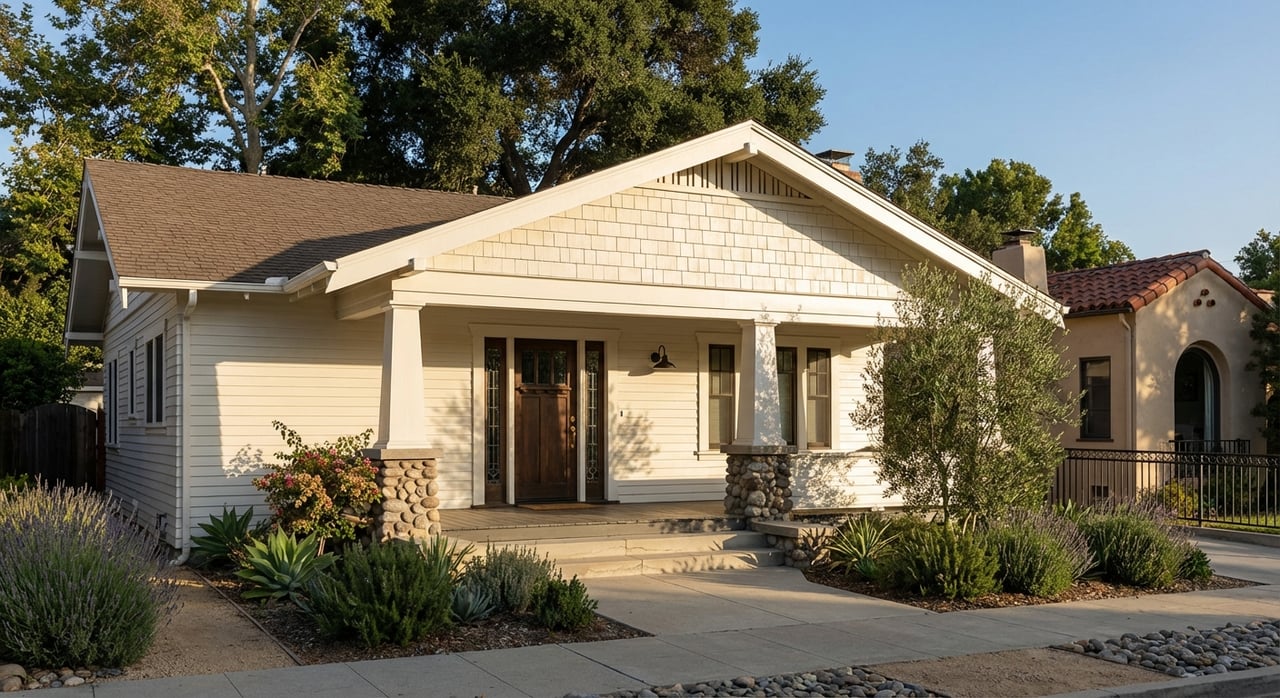
Falling for a Highland Park bungalow is easy. The wide porch, the rafter tails, the warm tile by the fireplace — it all feels timeless. If you love character homes and want to buy smart, you also need a clear plan for style ID, HPOZ rules, inspections, and realistic upgrade costs. This guide walks you through what to look for, what to expect behind the walls, and how to plan updates that fit both your life and the neighborhood. Let’s dive in.
Highland Park context and HPOZ basics
Highland Park sits along the Arroyo Seco between Downtown Los Angeles and Pasadena, and large parts of it are protected by the Highland Park–Garvanza Historic Preservation Overlay Zone. The HPOZ is the main rulebook that shapes what you can do to a property’s exterior. The City notes the district includes thousands of structures and a deep range of styles from the late 1800s through the mid‑20th century, with a standout concentration of Craftsman bungalows. You can review the HPOZ overview and staff contacts on the City’s page for the Highland Park–Garvanza HPOZ.
If you are planning visible exterior changes, start with the HPOZ Preservation Plan. It documents the period of significance, lists character‑defining features by style, and shows what counts as a “contributing” resource on each block. Read it before you design an addition or replace any exterior element. You can find the full Highland Park–Garvanza Preservation Plan online.
How to spot Highland Park styles
Craftsman cues and layouts
- Exterior tells: low‑pitched gabled or hipped roofs, wide eaves with exposed rafter tails, porches with tapered columns on stone or brick piers, natural materials like wood shingles or clapboard, and prominent chimneys. For a quick refresher on classic details, see this Craftsman characteristics primer.
- Inside: look for built‑in bookcases and buffets, a masonry fireplace as the main focal point, tongue‑and‑groove or box‑beam ceilings, and rich wood trim. Many original bungalows are 1 to 1.5 stories with 2 to 3 bedrooms and often a single full bath. Floor plans commonly flow living to dining to kitchen with modest room sizes.
- Renovation flags: original wood siding, porches, and built‑ins are worth preserving but need care. Plan for paint, occasional rot repair, and selective restoration. In older stock, expect electrical upgrades, potential repiping, and termite or roof attention. If the house is in the HPOZ, visible window replacements, porch work, or additions typically require review under the HPOZ guidelines.
Local context to explore: The Garvanza area around Avenue 66 has a dense concentration of early Craftsman homes and is a great place to learn the street rhythm and porch proportions. The LA Conservancy’s write‑up of the A. V. Walberg Residence and adjoining properties shows how sensitive rehab and compatible new infill can coexist in the district. Review that case study via the Conservancy’s A. V. Walberg Residence page.
Spanish Revival highlights
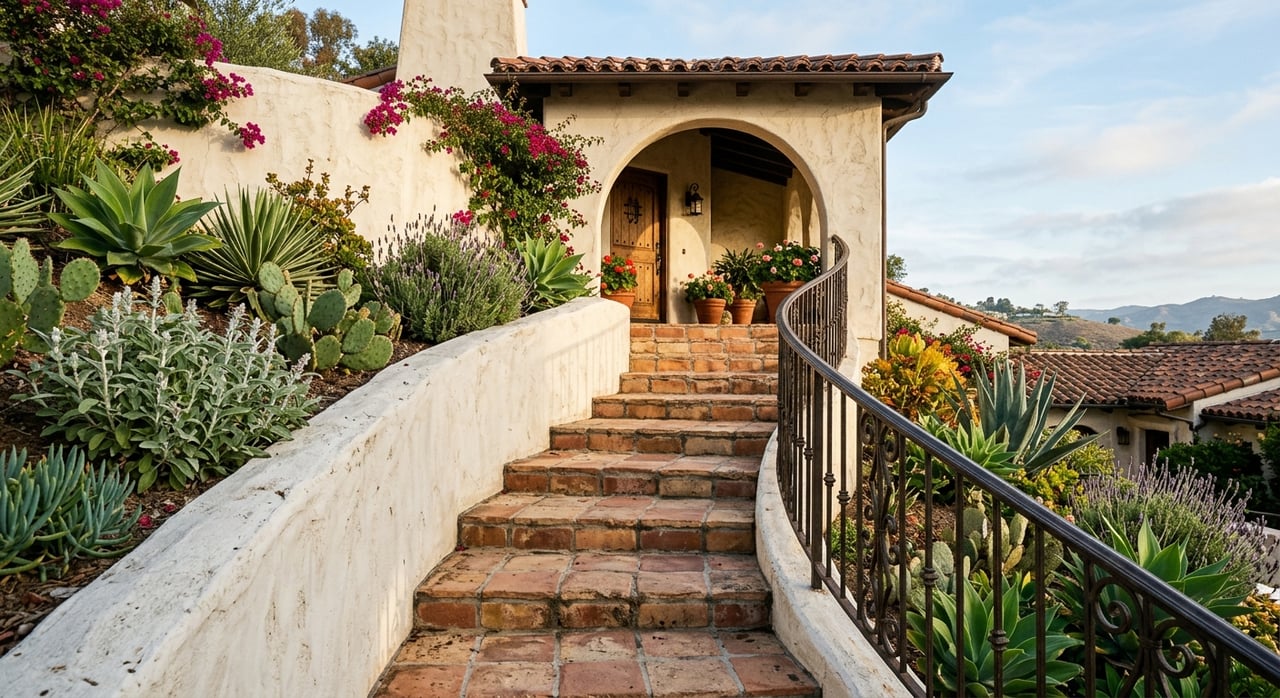
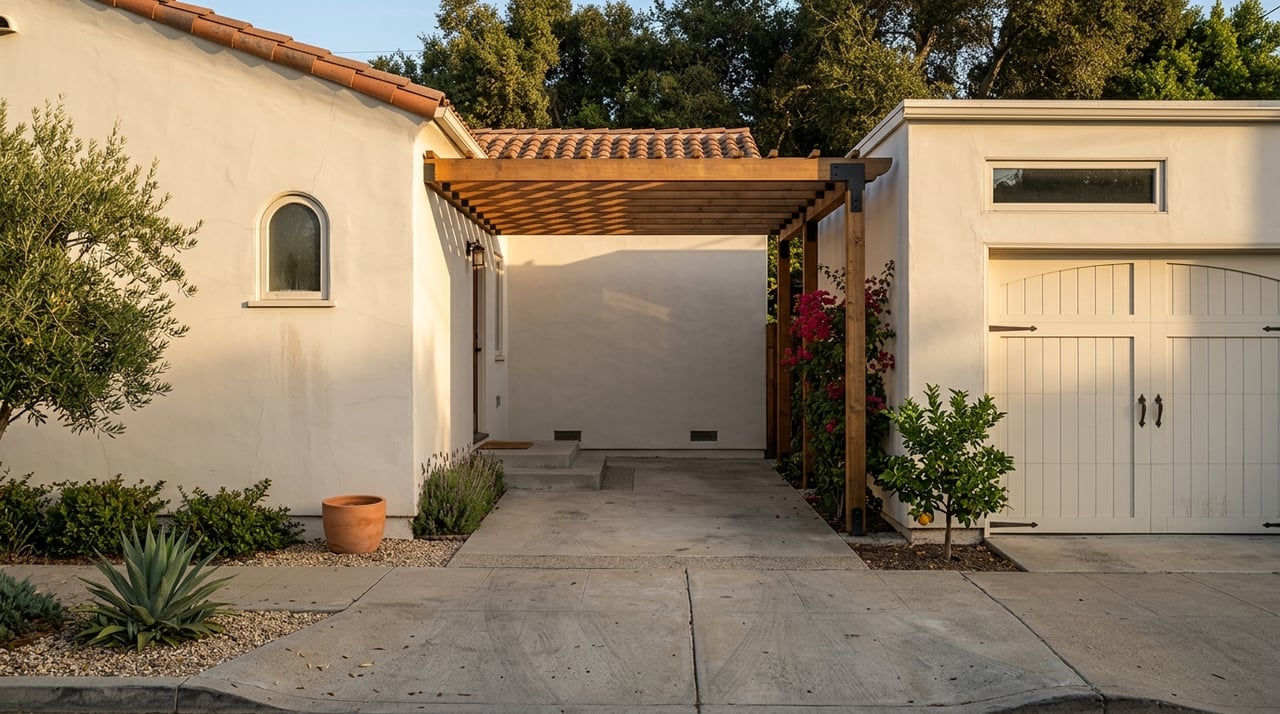
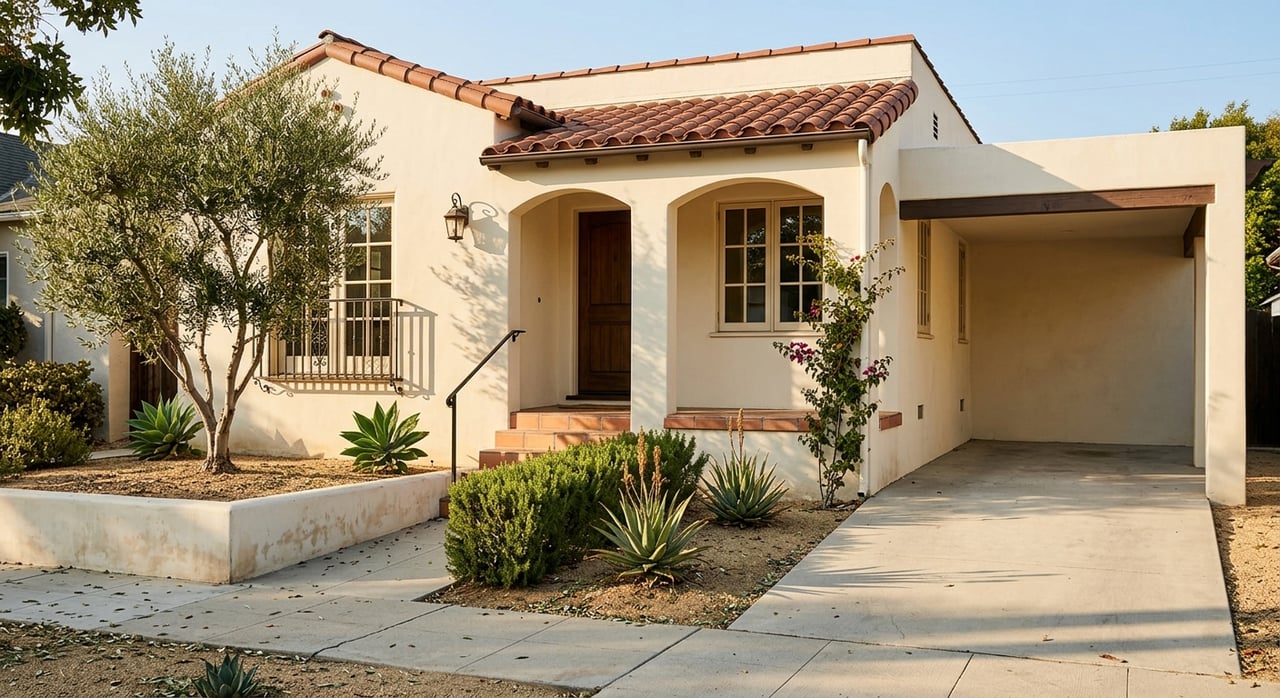
- Exterior tells: smooth stucco walls, red clay tile roofs, arched doors and windows, decorative tile, and simple courtyards or loggias. You will see these along pockets of Avenue 59 and on stretches near York Boulevard and Figueroa.
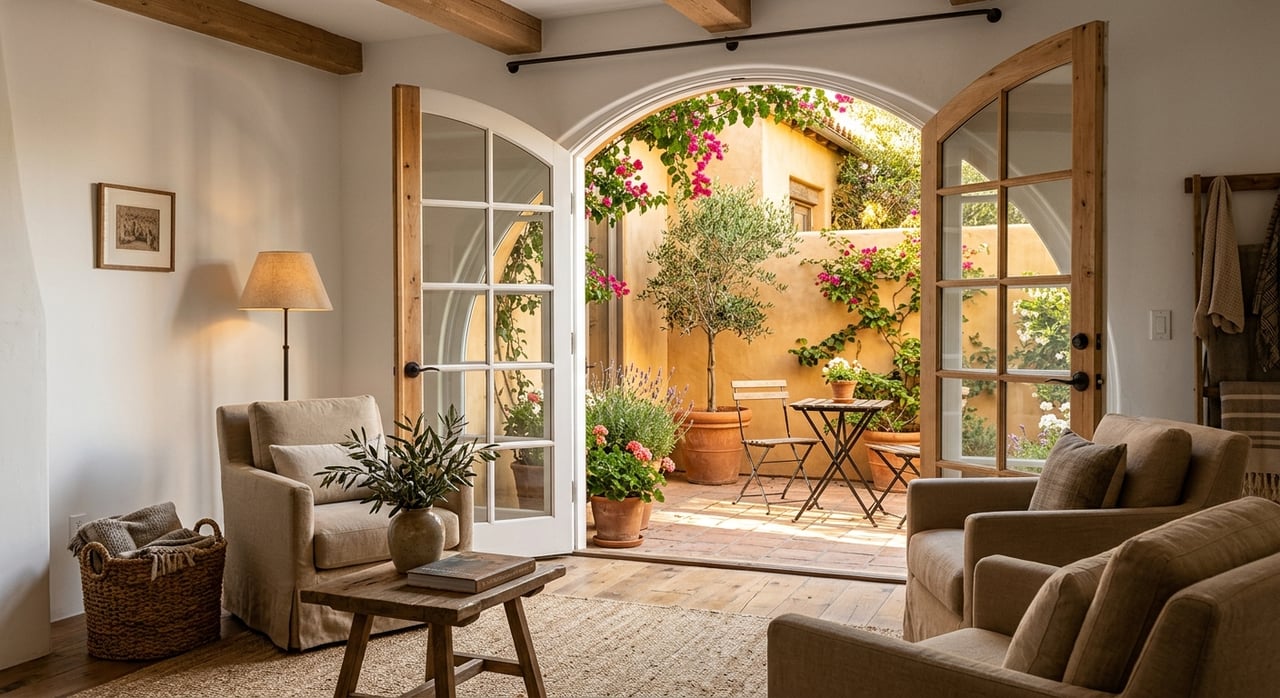
- Inside: plaster walls, barrel or coved ceilings in living or dining rooms, and colorful tile in kitchens and baths. Plans are more compartmentalized than today’s open layouts, with an emphasis on flow to patios or small courtyards.
- Renovation flags: pay attention to roof‑to‑wall flashing and stucco cracks, especially near arches and openings where water can intrude. Authentic clay tile and ironwork are character items and can be more expensive to repair or replace. In the HPOZ, visible exterior changes usually need review.
Mid‑century and ranch nearby
Highland Park’s core blocks skew early 20th century, so you will find fewer mid‑century options in the heart of the neighborhood. If you love post‑and‑beam lines, picture windows, and indoor‑outdoor plans, widen your search to adjacent hills like Mount Washington, Eagle Rock, and Glassell Park, which show more mid‑century and postwar ranch examples. Typical projects in these homes balance energy upgrades with preserving original windows and sightlines.
Newer infill, ADUs, and modern updates
You will see a mix of sensitively scaled new houses tucked behind historic façades, backyard ADUs, and contemporary renovations that add clean‑lined volumes. Two policy frameworks shape what is possible:
- The City’s ADU rules provide ministerial paths for accessory units. Start with the LADBS resource hub for ADU permitting.
- California’s SB9 (HOME Act) enables two‑unit developments and urban lot splits on some parcels. The City’s SB9 implementation page explains eligibility, including exclusions for historic resources and certain overlays.
In the HPOZ, the preservation plan and staff review control demolition and visible new construction. That is why you will often see larger new volumes placed toward the rear, keeping the historic street face intact. For a real‑world example of compatible infill recognized by preservation advocates, revisit the Conservancy’s A. V. Walberg Residence project.
Renovation, inspections, and permits
Start with public records
Before you fall in love, run the address through the City’s mapping and records tools:
- Zoning and overlays: Use the City’s parcel map, ZIMAS, to confirm zoning, HPOZ status, and any other overlays like fault zones or fire hazard areas.
- Permit history: Pull the property’s permits, certificates, and plan records through LADBS. Unpermitted work is common in older homes and must be disclosed.
- If you plan new units: Check ADU potential and SB9 eligibility early, noting that HPOZs and historic resources can limit or exclude both. Start with City guidance for SB9 projects and the LADBS hub for ADU rules.
Inspections to prioritize
Order these pre‑offer when possible, or make them early in your contingency window:
- General home inspection for structure, roof, plumbing, and visible electrical.
- Wood‑destroying organism (termite/WDO) inspection. Treatment ranges vary widely by scope, so get a written estimate. For a quick overview of California costs, see this guide to termite treatment pricing.
- Licensed electrician review focused on knob‑and‑tube or aluminum wiring and panel size. Many older homes need a service upgrade to support today’s loads.
- Sewer scope (CCTV) of the private lateral. If repairs are needed in the right‑of‑way, the Bureau of Engineering’s S‑permit procedures spell out approvals and requirements.
- Targeted tests as indicated: lead paint testing for pre‑1978 homes and asbestos checks before invasive work. The California Department of Public Health explains federal real estate lead rules and the 10‑day testing window in its lead disclosure guidance.
Typical cost ranges to budget
Costs vary by house and scope, but regional guides and local experience suggest ballparks you can use for early planning:
- Seismic bracing and bolting: small brace‑and‑bolt jobs can be in the low thousands, while more complex retrofits or hillside conditions can run much higher. See national and California averages in this earthquake retrofit cost guide.
- Plumbing updates: many character homes need partial or full repipes when galvanized lines are present. Expect a wide range from low thousands to low five figures depending on size, access, and finish repairs.
- Termite treatment and repair: local spot work can be a few hundred dollars, while full fumigation and wood repair can reach into the thousands, depending on damage.
- Electrical upgrades: older homes may need panel upgrades and selective rewiring. Budgets typically land in the several‑thousand to low five‑figure range for small houses, plus patch and paint.
Always get at least two licensed local bids, and if the house sits on piers, has cripple walls, or is on a slope, add a structural engineer to your early due diligence.
HPOZ and permitting in practice
- HPOZ review: Exterior alterations, visible window changes, roof work, additions, and new construction within the HPOZ usually require staff or Board review under the Highland Park–Garvanza HPOZ. The Preservation Plan outlines what is character‑defining and how to design compatible additions. Consult it early.
- City permits: Structural, mechanical, electrical, plumbing, and most addition/ADU work run through LADBS. Expect plan check, permit fees, and inspections.
- Sewer connections: If a sewer scope flags a failing lateral that affects the public main or right‑of‑way, the City may require repairs before final clearances. Review the S‑permit steps so you can plan timing and costs.
Renovation strategies that respect history
- Protect the face: Many buyers keep the street‑facing façade intact and push larger new volumes to the rear. It preserves curb appeal and tends to track with HPOZ guidance.
- Repair beats replace: Where feasible, repair original windows, trim, porch details, tile, and built‑ins. The Preservation Plan encourages repair of character elements over wholesale replacement.
- Add space thoughtfully: Consider a rear addition paired with a detached or attached ADU to meet today’s needs while keeping the front massing modest. The Conservancy’s A. V. Walberg Residence shows how sensitive infill can work.
- Plan for systems: Character materials shine when the systems behind them are updated. A well‑sequenced plan that tackles seismic work, plumbing, electrical, and roof health early will make your finishes last.
Buyer checklist and photo ideas
Use this quick checklist before you write an offer, and bring the photo prompts to your next tour.
Quick pre‑offer checks
- Confirm overlays: Is the property inside the HPOZ? Run it through the City’s ZIMAS map.
- Pull permits: Ask the listing agent for permit history or pull it yourself on LADBS. Note any unpermitted work.
- Ask for reports: Request a recent termite/WDO inspection and any structural or foundation reports.
- Verify design history: If you see major exterior changes, ask whether HPOZ review occurred and request any approval documentation. The Preservation Plan explains what typically needs review.
Inspections to include in contingencies
- General home inspection
- Termite/WDO inspection
- Sewer scope (CCTV) of the lateral
- Licensed electrician evaluation for legacy wiring and panel size
- Lead paint testing for pre‑1978 structures; structural review if on piers or hillside
Photo and design detail guide
- Exterior hero: full façade with porch. Capture tapered columns, exposed rafters, and chimney details that signal Craftsman character.
- Detail shots: closeups of tile at the fireplace or entry, original wood windows, arroyo stone garden walls, and ironwork on Spanish Revival homes.
- Interiors: built‑in buffets, boxed beams, coved or barrel ceilings, and original wood trim. These are not just pretty; they are clues about age and care.
- Context frames: include a wider street shot to show how the home sits with neighbors. It helps explain HPOZ street rhythm and massing.
Local places to study details
Want to sharpen your eye before you buy? Stroll Garvanza’s Avenue 66 blocks to see a dense run of Craftsman porches and rafter patterns. Pop by the Highland Theatre on Figueroa for a Spanish‑Moorish landmark moment. Visit Lummis House for early Arts and Crafts context, and the Heritage Square Museum for Victorian details in one compact stop. These public or public‑facing sites help you connect historic vocabulary to what you see on tours.
Buying a character home in Highland Park means pairing design love with a smart plan. When you know how to read porches, rafters, arches, and tiles — and how HPOZ and City permits shape your options — you can write a stronger, more confident offer. If you want a guide who lives and breathes Eastside architecture and can quarterback inspections, permitting paths, and design‑forward strategy, reach out to the Lexi Newman Team. We are here to help you buy well and enjoy the process.
FAQs
What is the Highland Park–Garvanza HPOZ and how does it affect buyers?
- It is a City historic district that governs visible exterior work, additions, and new construction; review the HPOZ overview and Preservation Plan before planning changes.
How do I confirm if a specific Highland Park home is a “contributing” resource?
- Check the block’s context and character features in the Highland Park–Garvanza Preservation Plan and verify status with HPOZ staff.
Which inspections are most important for Craftsman and Spanish homes?
- Prioritize a general home inspection, termite/WDO report, sewer scope, licensed electrician review, and lead paint testing for pre‑1978 homes.
Can I add an ADU to a Highland Park home inside the HPOZ?
- ADUs are allowed Citywide with ministerial paths, but HPOZ rules can limit visible changes; start with LADBS for ADU guidance and confirm details with HPOZ staff.
How does SB9 apply in Highland Park’s historic areas?
- SB9 enables two‑unit developments and urban lot splits on eligible parcels, but historic resources and certain overlays can be excluded; see the City’s SB9 page for criteria.
What repair and upgrade costs should I budget for older homes?
- Budget for seismic bracing, potential repipes, panel upgrades or selective rewiring, roof or stucco repairs, and termite treatment, with ranges from modest to five figures depending on scope.
Why is a sewer scope important for Highland Park properties?
- Older laterals can fail and repairs in the right‑of‑way trigger City approvals; review the Bureau of Engineering’s S‑permit procedures to understand timing and costs.