Buying your first home in Glassell Park can feel equal parts exciting and overwhelming. You are seeing list prices near seven figures, hearing about multiple offers, and trying to figure out how much cash you actually need. You deserve a clear, step-by-step roadmap that turns guesswork into a plan you can follow with confidence. In this guide, you will learn real price ranges, how competitive the market feels, what homes you can target by budget, and the financing tools that can help you get the keys. Let’s dive in.
Why Glassell Park appeals to first-timers
Glassell Park sits in a sweet spot of Northeast LA. Recent neighborhood reports place its median sale price around the low $1.2 million range, which is typically a notch below nearby Eagle Rock and Mount Washington and close to Highland Park. You get hillside settings, character homes, and improving dining options, often with a bit more value for the price.
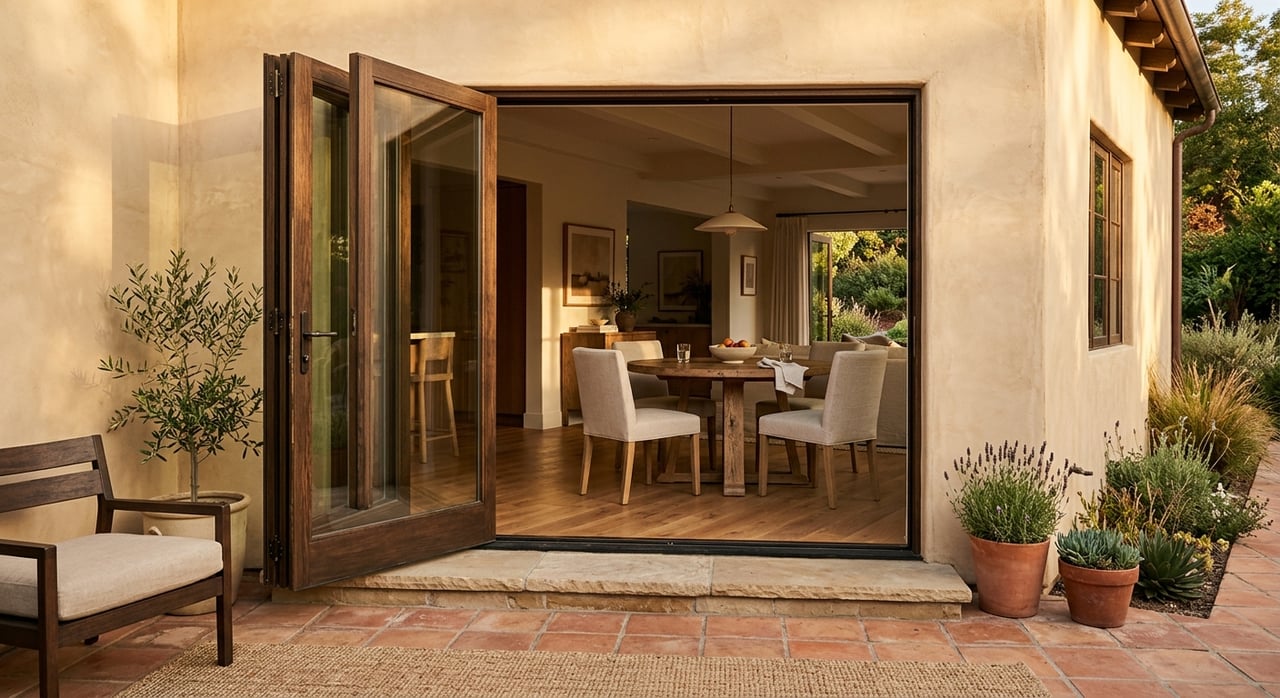
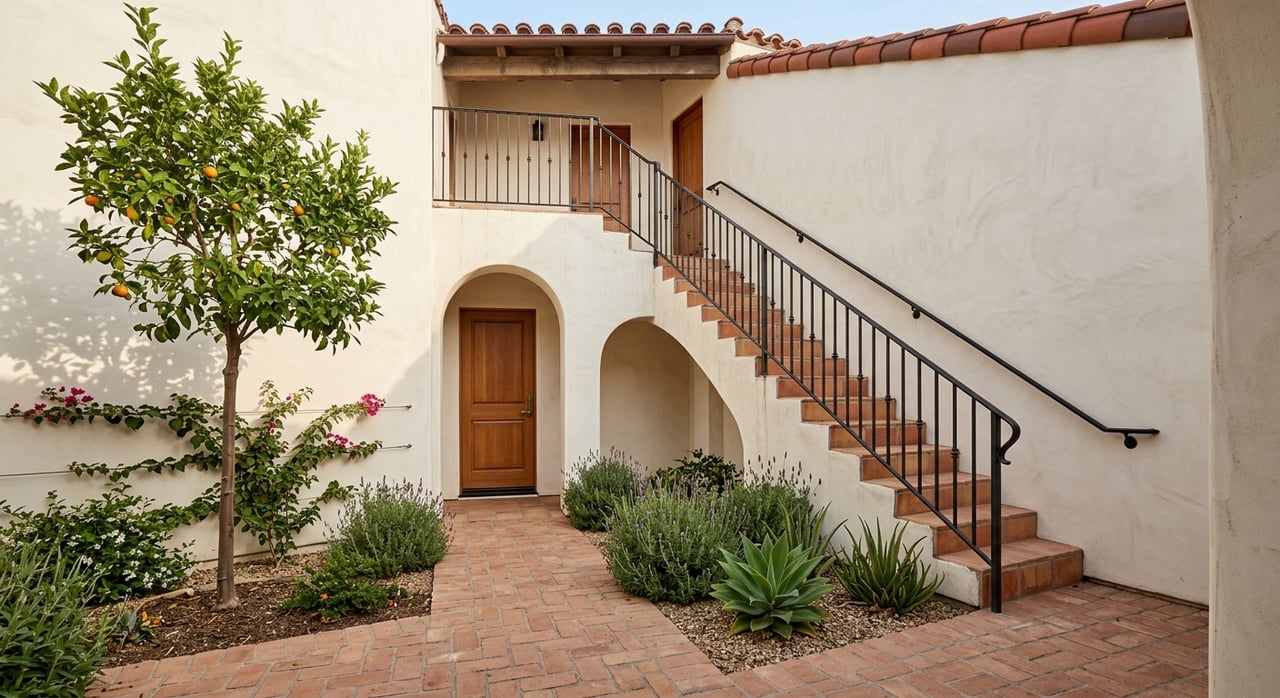
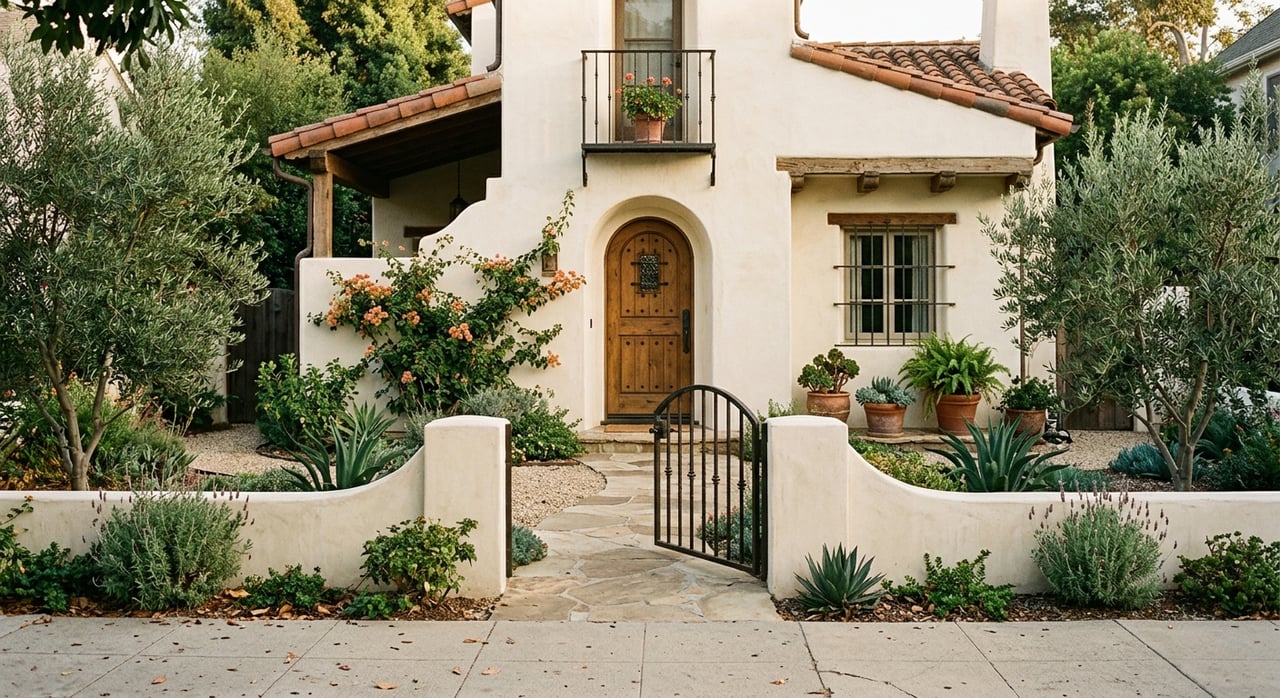
The housing mix is friendly to first-time buyers. You will see early 20th‑century bungalows, newer small‑lot homes, and occasional condos or townhome-style units. Many first-timers start with a compact single-family or a condo, then plan to build equity for a future move-up.
Current prices and pace
Neighborhood medians have hovered near 1.19 to 1.20 million in recent reports. Inventory tends to be tight, roughly a few dozen active listings at any moment, and the market is described as somewhat competitive. Well-priced homes can draw strong interest, while others sit longer if condition or pricing misses the mark.
Expect timing to vary by property type. Some recent data shows average days on market near the 49-day range, while other sources using different windows show longer. Renovated, well-located homes often move faster. Entry-level condos or fixers may take longer to find the right buyer.
Entry homes by budget
Use these ranges to set expectations before your first tour.
- Under $800k: Focus on condos, small attached units, and the occasional small fixer single-family. These are limited but do appear.
- $800k to $1.3M: Compete for smaller single-family bungalows and modest turnkey options. These are common first-time purchases here.
- $1.3M and up: Access more remodeled single-family homes and newer small-lot builds with larger footprints or elevated finishes.
Offer strategy that works
The most desirable homes can see multiple offers, but not every listing sparks a bidding war. You can improve your odds with a few focused moves.
- Get a full pre-approval, not just a pre-qualification. Ask lenders about conventional low-down options and how they pair with LA-area assistance programs. A pre-approval letter and proof of funds strengthen your offer.
- Move quickly on clean, well-priced listings. Consider an escalation clause and a realistic, shorter due-diligence timeline on your top-choice homes.
- Talk with your lender about appraisal-gap strategies in case the appraised value comes in below the contract price. Preparation here keeps a great deal from slipping away at the last mile.
Financing math and tools
Mortgage math is easier when you plug in real neighborhood numbers. For planning, use a median price example of about $1,195,000. For closing costs, a 2 to 5 percent range is common, and 3 percent is a helpful middle number for estimates. You can explore typical closing cost items using this simple overview of closing cost components.
Property taxes in Los Angeles County often pencil near 1.16 percent of assessed value as a planning number. On a $1.195M purchase, that is roughly $13,800 per year, or about $1,150 per month held in escrow. You can sanity-check estimates with this Los Angeles County property tax estimator.
Homeowners insurance costs vary by dwelling value and exposure. In LA, a typical range can land around $1,200 to $2,000 or more per year, with wildfire or earthquake risk raising premiums. For background on local averages and factors, review this guide to Los Angeles homeowners insurance costs.
Cash-to-close examples
These rounded, planning-only examples use a $1,195,000 price and a 3 percent closing-cost estimate. Your lender will personalize exact figures.
- FHA with 3.5 percent down: About $41,825 down, roughly $35,850 in closing costs, plus a few thousand for prepaids and inspections. Total buyer cash often lands near $82,000 to $84,000 before any seller credits or assistance.
- Conventional 3 percent down: About $35,850 down, roughly $35,850 in closing costs, plus prepaids. Many first-time buyers target this lane with programs like HomeReady. You can review options at Fannie Mae’s buyer overview.
- Conventional 20 percent down: About $239,000 down, plus closing costs. This avoids PMI but is a larger cash lift than most first-time buyers prefer.
Loan limits that help in NELA
The conforming high-cost ceiling for one-unit homes sits at $1,249,125 for 2026. That means many purchases near Glassell Park’s median can still qualify as high-balance conforming instead of jumbo, which often carries friendlier terms. You can confirm the new limits in the official FHFA announcement.
Down payment assistance to explore
These programs can materially reduce your upfront cash. Funding is limited and rules change, so start early and confirm details with approved lenders.
- CalHFA MyHome Assistance: Offers a deferred second loan up to 3 percent for conventional or 3.5 percent for FHA to help with down payment and closing costs. It must be paired with a CalHFA first mortgage and program counseling. Learn more on the CalHFA MyHome page.
- City and County assistance: The City of Los Angeles and Los Angeles County Development Authority run purchase-assistance programs that provide sizable deferred soft-second loans. Recent rounds increased maximums, and some programs can be layered with state options. See the latest update from the Los Angeles Housing Department.
- GSFA Platinum: Provides up to about 5 percent, and in some variants up to 5.5 percent, of the first mortgage amount to help with down payment and closing costs. It can often be used with FHA or conventional financing. Review details on the GSFA Platinum program page.
How to move fast on assistance
- Speak with a CalHFA-approved lender and a GSFA-participating lender early, so your first mortgage and assistance align. Start with the CalHFA program overview.
- Complete required homebuyer education promptly. Many assistance programs require documented counseling or education, which you can start from the same CalHFA resource page.
- Expect application windows and limited funding cycles. Strong applicants go from pre-approval to offer acceptance quickly when funds are available.
Step-by-step roadmap
Use this simple timeline as your playbook from prep to keys.
Check budget and credit, 1 to 4 weeks. Pull your credit, pay down balances if needed, and confirm loan options that fit your profile. A quick overview of loan paths is at Fannie Mae’s buyer page.
Interview two or three lenders and request full pre-approvals. Ask each about pairing your first mortgage with CalHFA, GSFA, and any City or County assistance for which you may qualify.
Choose a local buyer’s agent who knows Glassell Park. You want someone who watches new listings daily, understands hillsides and small-lot quirks, and can move fast with strategic guidance.
Define deal-breakers and tradeoffs. Think about commute, lot position, stairs and access, potential for an ADU, and HOA rules for attached homes. If ADU potential matters, review the City’s guidance and permitting with LADBS’s ADU resource.
Tour and track. Use alerts and be quick to see strong candidates. For top targets, consider clean terms, an appropriate earnest deposit, and an escalation clause if competitive.
In contract, inspect right away. Confirm permit histories and any ADU work, and coordinate fast with your lender for appraisal and final conditions.
Close and budget year one. Plan for taxes near 1.16 percent of price, insurance in the LA range above, utilities, and immediate repairs or small projects.
Glassell Park vs nearby areas
Knowing the nearby options helps you compare value and fit.
- Highland Park: Similar price range at the median in many recent reports. Lively commercial corridors nearby, with a broad mix of classic homes.
- Eagle Rock: Often trades a bit higher at the median, with a more suburban feel in several pockets and a wide single-family mix.
- Mount Washington: Steeper hills and high viewpoints. Per-square-foot pricing often reflects view premiums.
What this means for you
If you are targeting Glassell Park as a first-time buyer, you have a real path. Set your budget lane, get fully pre-approved, and pair your loan with assistance if it fits. Move quickly on well-priced homes, and focus on clean, confident offers that balance speed with smart protections. When you are ready for a local partner to guide the search, craft offers, and manage the details from inspection to close, reach out to the Lexi Newman Team.
FAQs
What is a realistic cash-to-close for a median Glassell Park home?
- Using a $1,195,000 example and a 3 percent closing-cost estimate, FHA 3.5 percent down often lands near $82,000 to $84,000 cash to close, while conventional 3 percent can be around the low $70,000s plus prepaids; exact figures depend on your lender and terms.
Are there LA programs that can help with my down payment?
- Yes; CalHFA MyHome can cover 3 to 3.5 percent as a deferred second, GSFA Platinum can add up to about 5 to 5.5 percent, and the City and County offer deferred soft-second loans, all subject to eligibility and funding availability.
How competitive are offers in Glassell Park right now?
- The market is somewhat competitive, with the best-priced homes drawing multiple offers while others sit longer; a strong pre-approval, quick timelines, and smart terms can make a decisive difference.
What can I buy under $800k in Glassell Park?
- Most buyers at this level focus on condos, small attached units, or an occasional single-family fixer, which appear intermittently and require quick action.
Will I need a jumbo loan near the median price?
- Not necessarily; the 2026 high-cost conforming ceiling of $1,249,125 means many median-level purchases can still use high-balance conforming financing instead of jumbo, depending on your final loan amount.