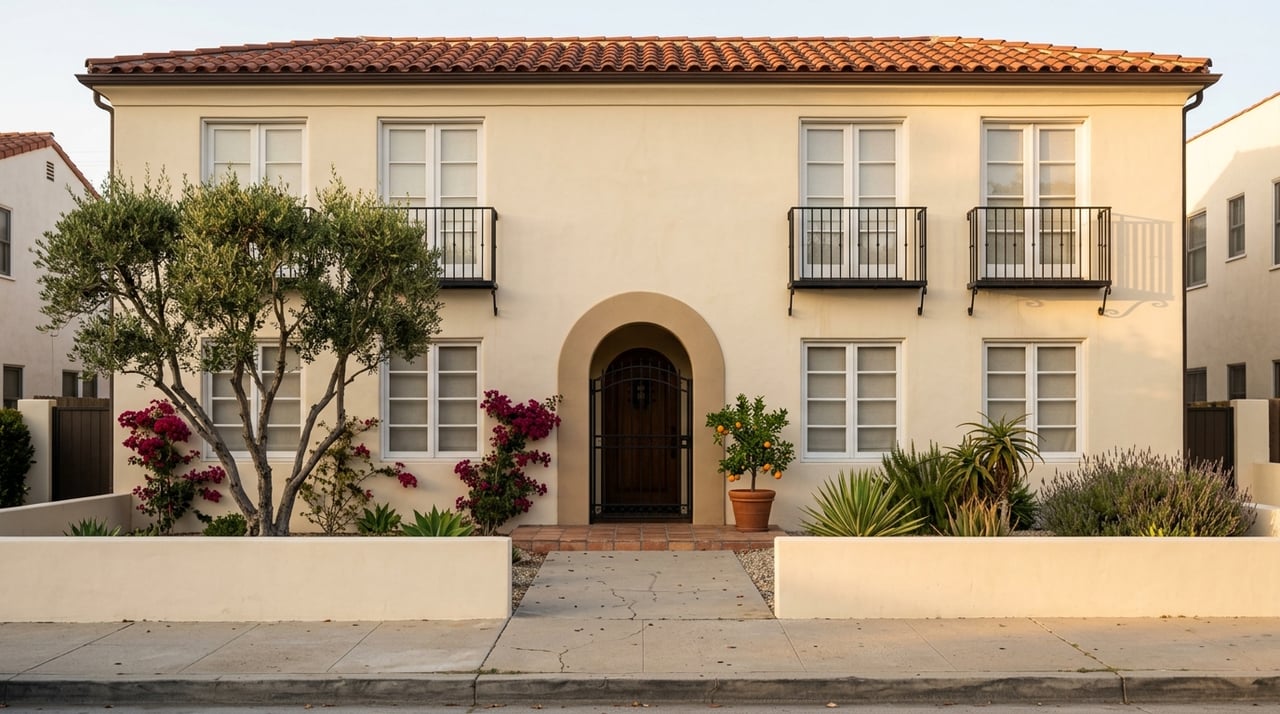
If you are thinking about buying a duplex, triplex, or fourplex in Hollywood, it can be tempting to focus only on rents and upside. But in this part of Los Angeles, the smarter play is usually understanding the rules, the building’s age, and the realistic path to improvements before you write an offer. If you want a clearer picture of how small multi-unit investing works in Hollywood, this guide will walk you through the numbers, the regulations, and the key questions to ask before you buy. Let’s dive in.
Why Hollywood attracts small multi-unit investors
Hollywood stands out as a renter-heavy market, which is one reason small multifamily properties stay on many investors’ radar. According to the City of Los Angeles planning profile for Hollywood, 79.4% of households are renter-occupied. The same report shows a median household income of $65,747, with many one-person and two-person households, which helps explain why smaller unit types are a major part of the market.
That renter mix matters if you are evaluating a 2-to-4-unit property. In practical terms, many Hollywood renters are looking for efficient layouts like studios, one-bedrooms, and smaller two-bedrooms. For investors, that means unit mix, livability, and rent positioning often matter just as much as the total number of units.
Hollywood market numbers to know
Current multifamily data also gives useful context for underwriting. A Hollywood market snapshot from the LAAA Team using CoStar data reports about 100,163 total units, 6.5% vacancy, $2,203 average market rent per unit, 5.1% market cap rate, and $334,000 average value per unit.
That same source estimates market rents at roughly:
- $1,701 for studios
- $2,030 for one-bedrooms
- $2,774 for two-bedrooms
- $4,055 for three-bedrooms
These figures can help you pressure-test a rent roll, but they should not replace property-specific diligence. Hollywood deals vary widely based on location, building age, condition, parking, and whether the property falls under local or state rental regulations.
Building age changes the investment story
One of the biggest themes in Hollywood investing is age. The Hollywood planning profile shows that 29.5% of housing units were built in 1939 or earlier, with large shares also built in the 1940s, 1950s, 1960s, and 1970s.
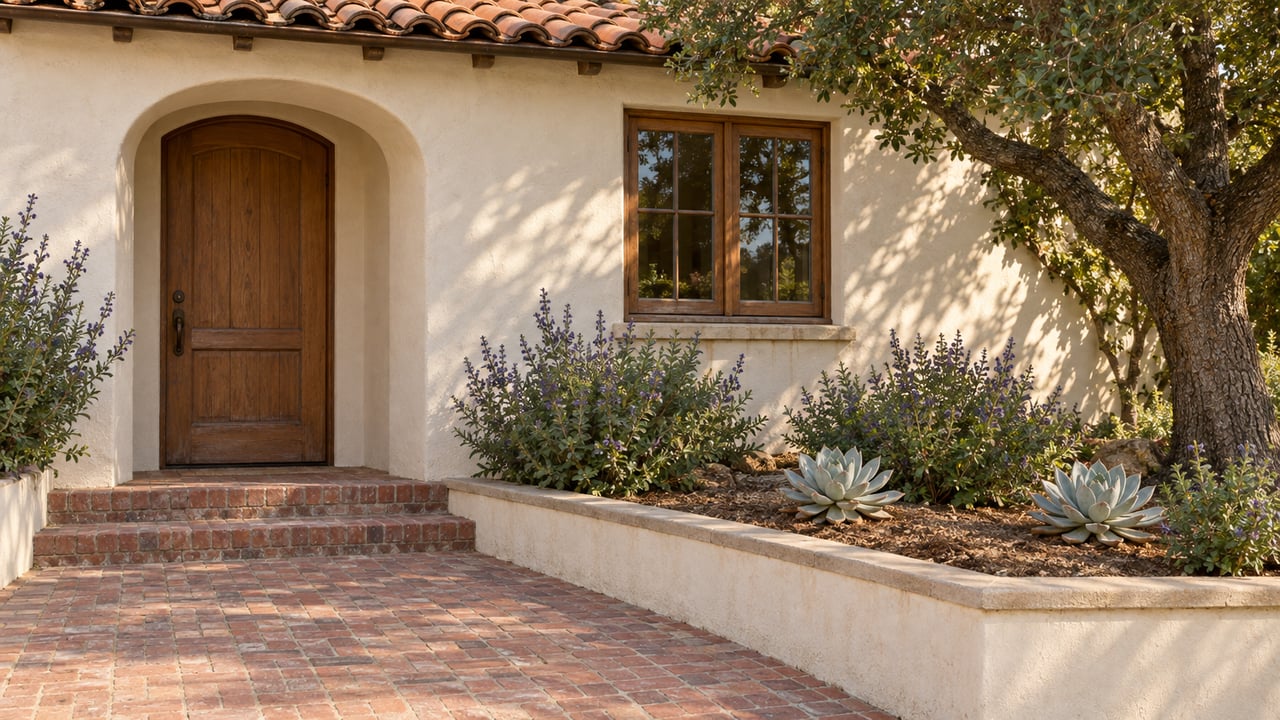
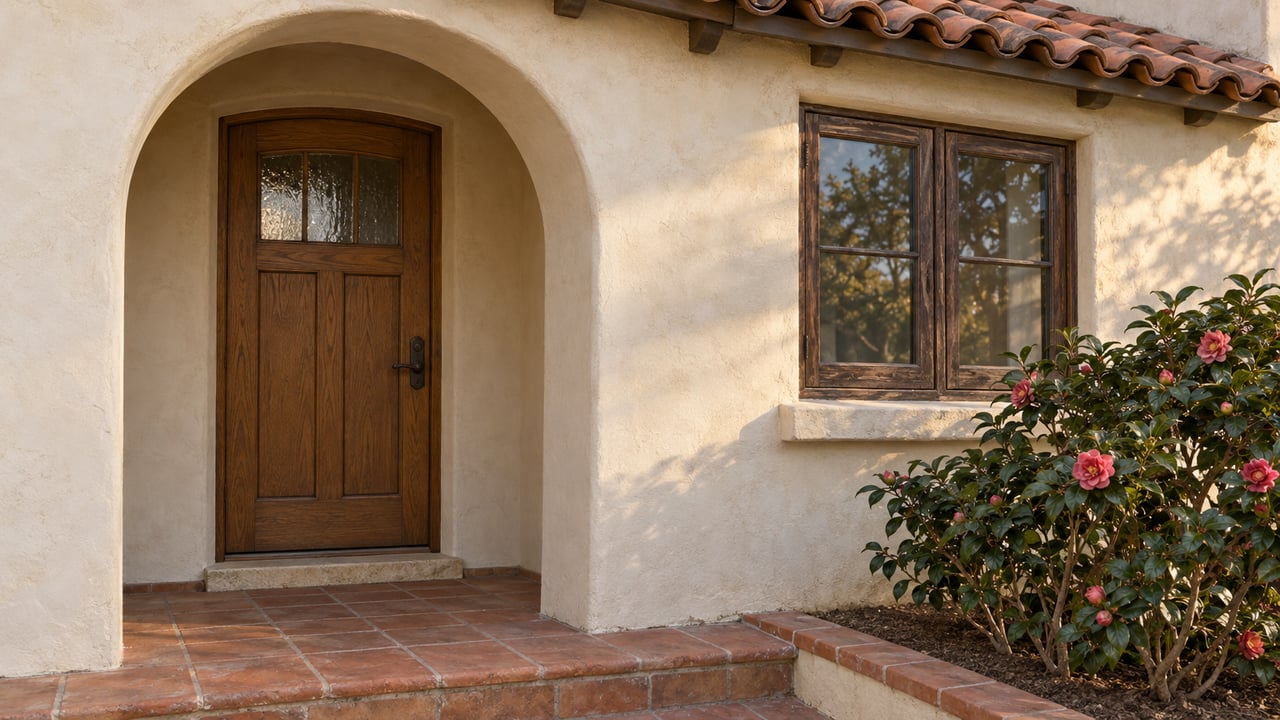
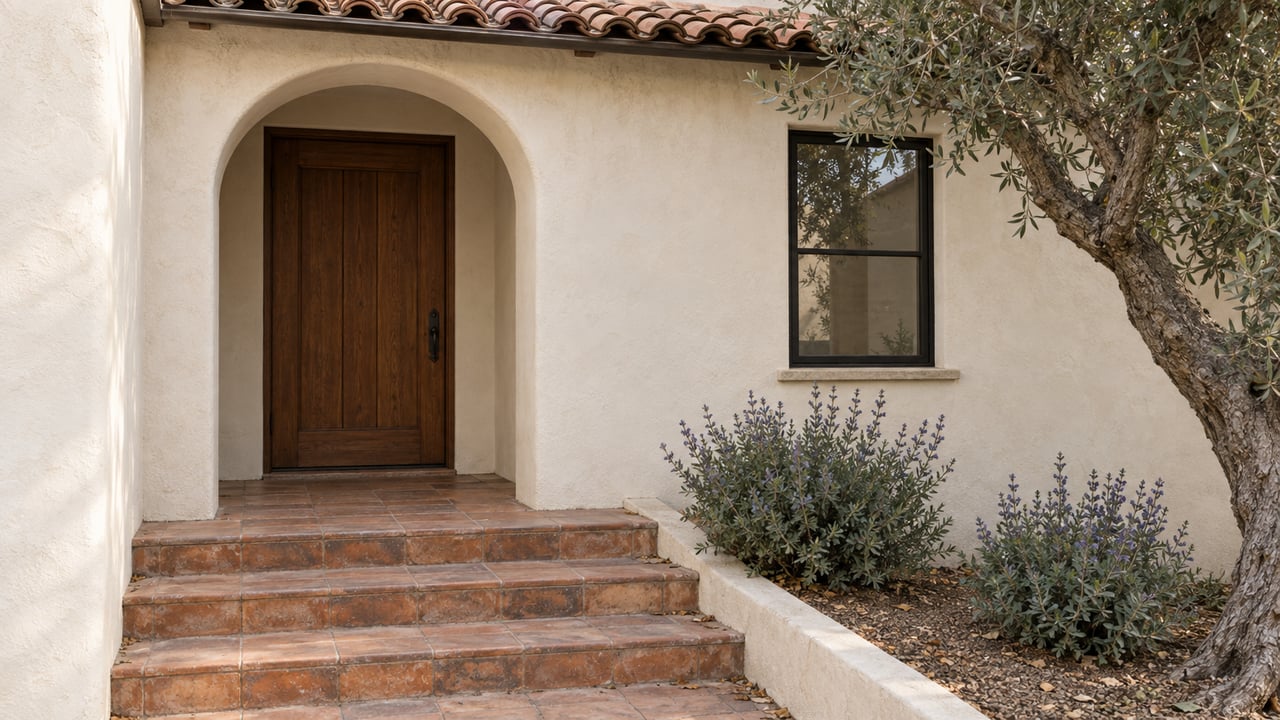
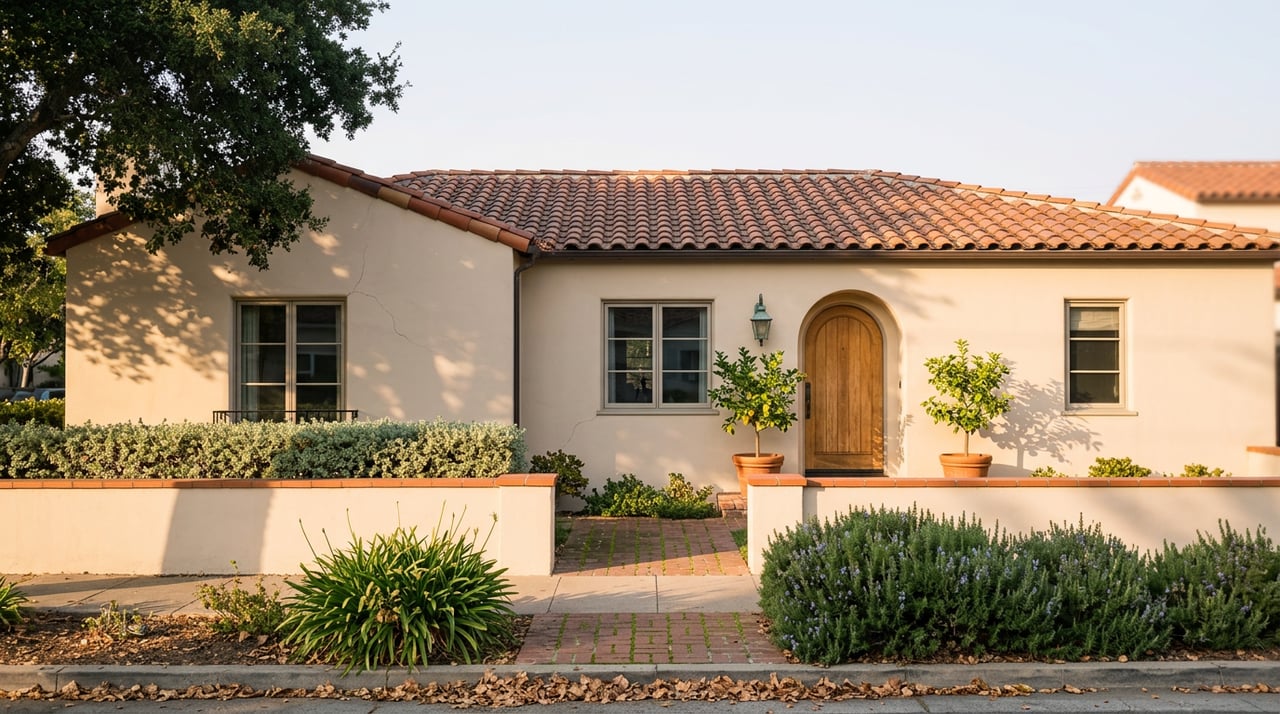
That older housing stock can create opportunity, but it also raises the stakes for diligence. A charming Spanish duplex or courtyard fourplex may have strong curb appeal, but you still need to look closely at systems, permits, maintenance history, and compliance issues. In Hollywood, value-add often means solving real building problems, not just adding fresh paint and calling it a day.
Rent control matters in Hollywood
Before you model future income, you need to know which rules apply to the property. In Los Angeles, that can mean looking at the city’s Rent Stabilization Ordinance, the city’s Just Cause Ordinance, and California’s statewide tenant protections separately.
According to the Los Angeles Housing Department RSO registration bulletin, the Rent Stabilization Ordinance applies citywide to apartments, condominiums, townhomes, duplexes, and some other residential units. Properties whose first certificate of occupancy was issued after October 1, 1978 are generally exempt, and a detached single-family dwelling with only one unit on the parcel is generally exempt.
For many investors, that means a pre-1978 Hollywood duplex, triplex, or fourplex may be RSO-covered unless a specific exemption applies. If a property is covered, owners must also register it annually with LAHD before rent can legally be collected.
Current rent increase limits
If the property is RSO-covered, your rent-growth assumptions need to stay grounded in current city rules. The LAHD RSO rent increase calculator states that the annual allowable rent increase from July 1, 2025 through June 30, 2026 is 3%. The city also states that beginning February 2, 2026, landlords can no longer add an extra percentage increase for utilities.
For properties not covered by the RSO, you still may need to account for other rules. The California Department of Real Estate landlord-tenant guide explains that under the Tenant Protection Act of 2019, annual rent increases are capped at 5% plus inflation or 10%, whichever is lower. It also notes that just-cause protections generally apply to many rental complexes with two or more units that are at least 15 years old, while some owner-occupied duplexes and other categories may be exempt.
Just-cause protections also affect strategy
Even when a property is not under rent stabilization, that does not mean it is regulation-free. The Los Angeles Housing Department renter protections page says the city’s Just Cause Ordinance now covers most rental properties in Los Angeles that are not under the RSO, including many single-family homes and condominiums built after October 1, 1978.
LAHD also states that tenants generally become protected at the end of their first lease, or six months after a new lease, whichever comes first. For investors, this matters because no-fault evictions may require relocation assistance, which can affect both timing and costs if your plan includes major work or occupancy changes.
Why house hackers should look twice
Hollywood can be appealing for owner-occupants who want to live in one unit and rent the others. Public marketing for a fourplex at 723 N. Ridgewood Place highlighted one unit being delivered vacant, which is the kind of setup many house hackers look for.
But there is an important legal nuance here. The California DRE guide notes that an owner-occupied duplex can be exempt from AB 1482 in some cases, but that does not automatically remove the property from the City of Los Angeles RSO if the building is pre-1978 and otherwise covered. In short, local and state rules need to be checked separately.
Renovation upside is real, but limited by rules
Hollywood investors often talk about value-add, but the best opportunities usually come from careful, legal improvements. In RSO buildings, the LAHD capital improvement bulletin is essential reading. It says eligible capital improvements must primarily benefit tenants, last at least five years, and be more than routine maintenance.
The same bulletin explains that, in most cases, owners may recapture up to 60% of eligible capital improvement costs through an approved temporary surcharge. Examples listed by LAHD include roofing, air conditioning, security gates, fencing, washers and dryers, dishwashers, and smoke detectors.
This is why many Hollywood renovation plans focus on practical upgrades rather than purely cosmetic changes. Kitchens, baths, systems, windows, laundry, parking, compliance work, and ADU feasibility tend to matter more than surface-level finishes alone.
Real Hollywood examples show different paths
Hollywood does not offer just one investment model. Public listings and sales examples show how different vintages can underwrite very differently.
A newer fourplex at 616 N. Mariposa Avenue was marketed as a fully leased building with an actual 5.5% cap rate, eight parking spaces, solar, and potential for ADU conversions. That kind of asset highlights a newer-building strategy where lower regulatory friction and built-in features may support a different risk profile.
On the other hand, Colliers reported the sale of two late-1980s Hollywood multifamily properties that were not subject to City of Los Angeles rent control. Those properties traded at 5.43% and 6.06% in-place cap rates, with projected pro forma returns of 6.84% and 8.13%.
Then there is the more classic Hollywood value-add route. A Hayden on Hollywood listing described completed seismic retrofits, electrical and window work, and widespread interior renovations, with remaining upside tied to kitchens, appliances, flooring, lighting, plumbing fixtures, and in-unit laundry. That is a useful reminder that in older Hollywood assets, the real work often happens behind the walls as much as inside the unit.
How to evaluate a Hollywood duplex, triplex, or fourplex
If you are shopping in Hollywood, start with legal status before you start dreaming about future rents. A property’s first certificate of occupancy, exemption status, and current registration history can change the entire investment thesis.
Here is a smart due diligence checklist based on the guidance in the research:
- Verify the first certificate of occupancy and year built
- Confirm whether the property is RSO-covered, JCO-covered, AB 1482-covered, or exempt
- Request the current rent roll and copies of any LAHD registration statements
- Review utility metering, open permits, code violations, and any eviction or relocation history
- Compare in-place rents to current Hollywood rent benchmarks by unit type
- If rehab is part of the plan, confirm whether the work qualifies as a capital improvement, whether permits are needed, and whether relocation may be required
Questions to ask before you buy
The right questions can save you from a shaky pro forma. When you are evaluating a small multifamily property in Hollywood, these are the conversations worth having early.
Questions for your agent
- Is the property subject to RSO, JCO, AB 1482, or any exemption?
- How do the in-place rents compare with current Hollywood market rents?
- Are there open permits, notices, relocation issues, or code concerns?
- Which improvements are most likely to create legal and economic upside?
Questions for your lender
- Will the loan be underwritten using in-place income or projected post-renovation income?
- How does the lender treat regulated rent growth?
- What reserve requirements apply to older buildings?
- Are there owner-occupied financing options for 2-to-4-unit properties?
- If renovation is planned, what documents and draw procedures are required?
What smart investing looks like in Hollywood
In Hollywood, small multi-unit investing is rarely about chasing the biggest theoretical upside. It is usually about buying the right vintage, understanding the local rules, and making improvements that are both lawful and financially sound.
That is also why local context matters so much. A pre-1978 fourplex with deferred maintenance is a very different investment from a late-1980s building that is not subject to city rent stabilization. If you are weighing options in Hollywood, having neighborhood-level guidance can help you move past the headline numbers and focus on what a property can realistically do.
If you want help evaluating a Hollywood duplex, triplex, or fourplex with a clear, local lens, connect with the Lexi Newman Team. We bring boutique service, thoughtful market perspective, and hands-on support to buyers and investors across Los Angeles.
FAQs
What makes Hollywood appealing for small multi-unit investing?
- Hollywood has a high renter share, with 79.4% renter occupancy, and current multifamily data shows a large, active rental market with more than 100,000 units.
What rent control rules matter for Hollywood duplexes and fourplexes?
- Many pre-1978 Hollywood duplexes, triplexes, and fourplexes may fall under the Los Angeles Rent Stabilization Ordinance, while other properties may be subject to the city’s Just Cause Ordinance or California’s AB 1482 rules.
What is the current RSO rent increase in Los Angeles?
- The Los Angeles Housing Department states that the allowable annual RSO rent increase from July 1, 2025 through June 30, 2026 is 3%.
What upgrades can create value in a Hollywood multi-unit property?
- Common value-add areas include kitchens, baths, systems upgrades, windows, laundry, parking improvements, compliance work, and possible ADU opportunities, depending on the property.
What should you verify before buying a Hollywood investment property?
- You should confirm the year built, certificate of occupancy, regulatory status, rent roll, LAHD registration, permits, violations, utility setup, and any relocation or eviction history before finalizing your underwriting.