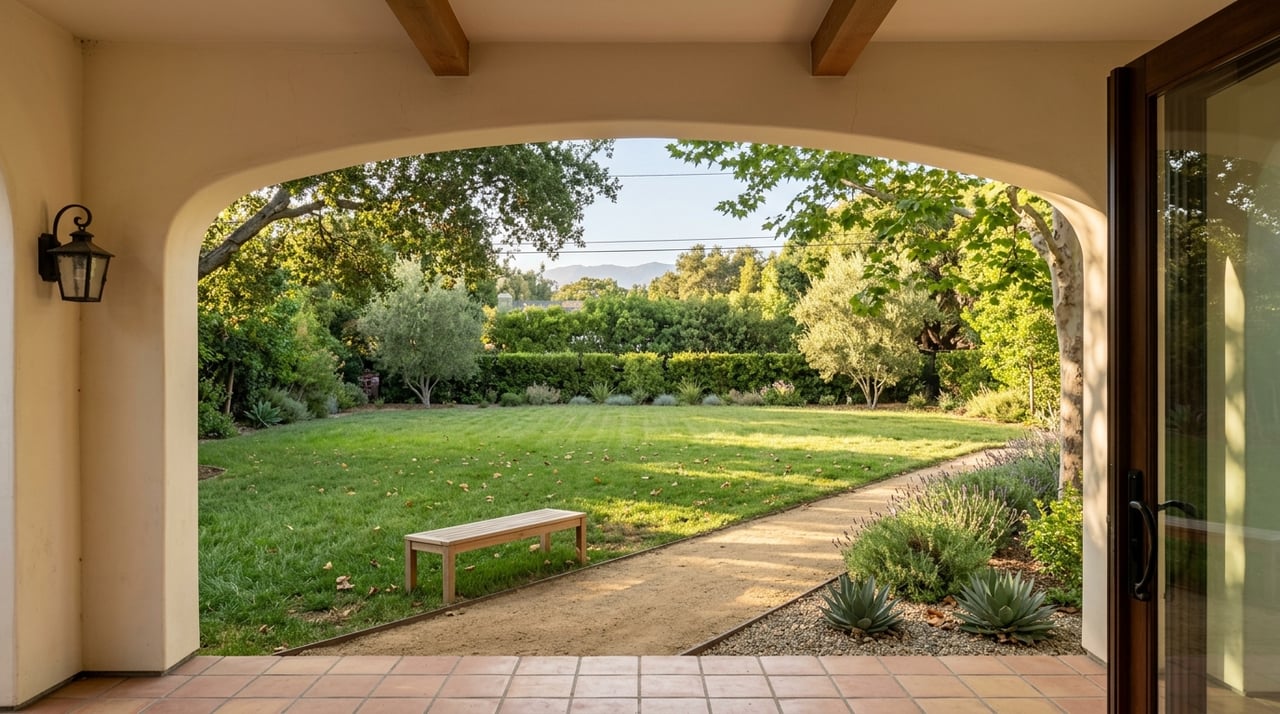
If you’ve been searching for more space in Los Angeles without giving up character, Altadena probably keeps coming up for good reason. This foothill community offers something many buyers want but struggle to find: bigger yards, mature trees, mountain views, and homes with real architectural personality. If you’re wondering how Altadena works, what kinds of homes you’ll actually see, and what drives value here, this guide will help you shop smarter. Let’s dive in.
Why Altadena stands out
Altadena sits directly north of Pasadena and about 13 miles northeast of Los Angeles. It stretches across an outwash plain below the San Gabriel Mountains, between the Arroyo Seco and Eaton Canyon. That setting helps explain why so many properties here feel more open, green, and residential than denser parts of LA.
For many buyers, Altadena feels like a shift in pace. You may still be close to Pasadena and the broader Los Angeles area, but the day-to-day experience often includes deeper lots, tree-lined streets, and wide mountain backdrops. That combination is a big part of the appeal.
Another thing that makes Altadena different is that it is unincorporated. That means Los Angeles County, not a city government, handles planning and many local services. The Altadena Town Council serves as a local forum and ombudsman, but if you are researching permits, zoning, additions, or rebuilding rules, county systems are the key place to start.
Big yards are a real part of the appeal
In Altadena, lot size often matters just as much as the house itself. Buyers are not only comparing bedrooms and bathrooms here. They are also looking at yard depth, privacy, mature landscaping, and how the lot sits in relation to the foothills.
That is especially true in the areas closer to the mountains, where larger parcels and more open outlooks can become major value drivers. In some of Altadena’s historic higher-end pockets, homes were originally marketed around rolling terrain and views, not just interior square footage. That pattern still shapes buyer demand today.
If your goal is room to garden, entertain, expand over time, or simply enjoy more breathing room, Altadena can offer options that feel hard to find elsewhere nearby. The tradeoff is that land often carries a premium, especially when it comes with views or a strong location within a sought-after pocket.
Mountain views shape the buying experience
The San Gabriel Mountains are not just a scenic backdrop in Altadena. They are part of the identity of the community. In many parts of town, the foothill setting is visible from the street, the yard, or the home itself, and that can have a real effect on how a property feels.
View value in Altadena tends to show up in different ways. Some homes have direct mountain-facing sightlines. Others benefit from a more elevated or open setting, where the sense of space is just as important as a dramatic vista.
In practical terms, homes with notable outlooks, larger lots, or foothill-adjacent settings often compete in a different lane than smaller historic cottages. That does not mean every view home is priced the same way, but it does mean you should expect land, privacy, and orientation to matter a lot in your search.
Altadena homes have strong architectural character
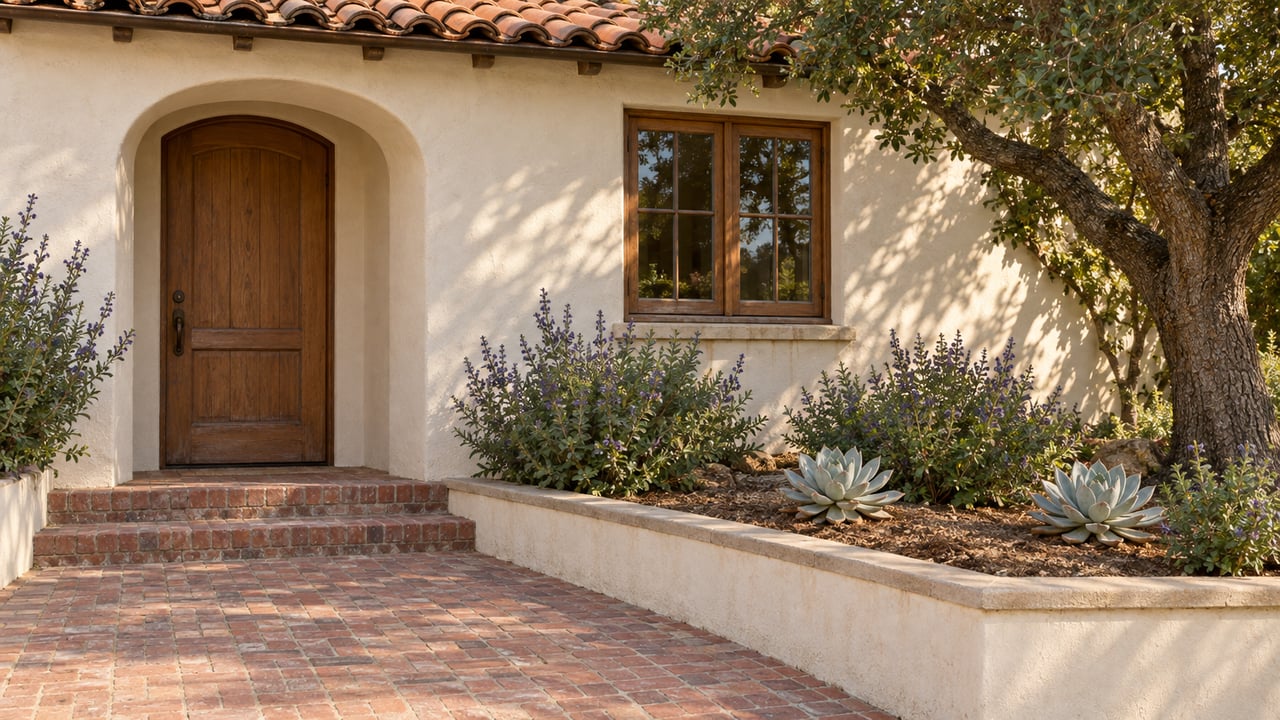
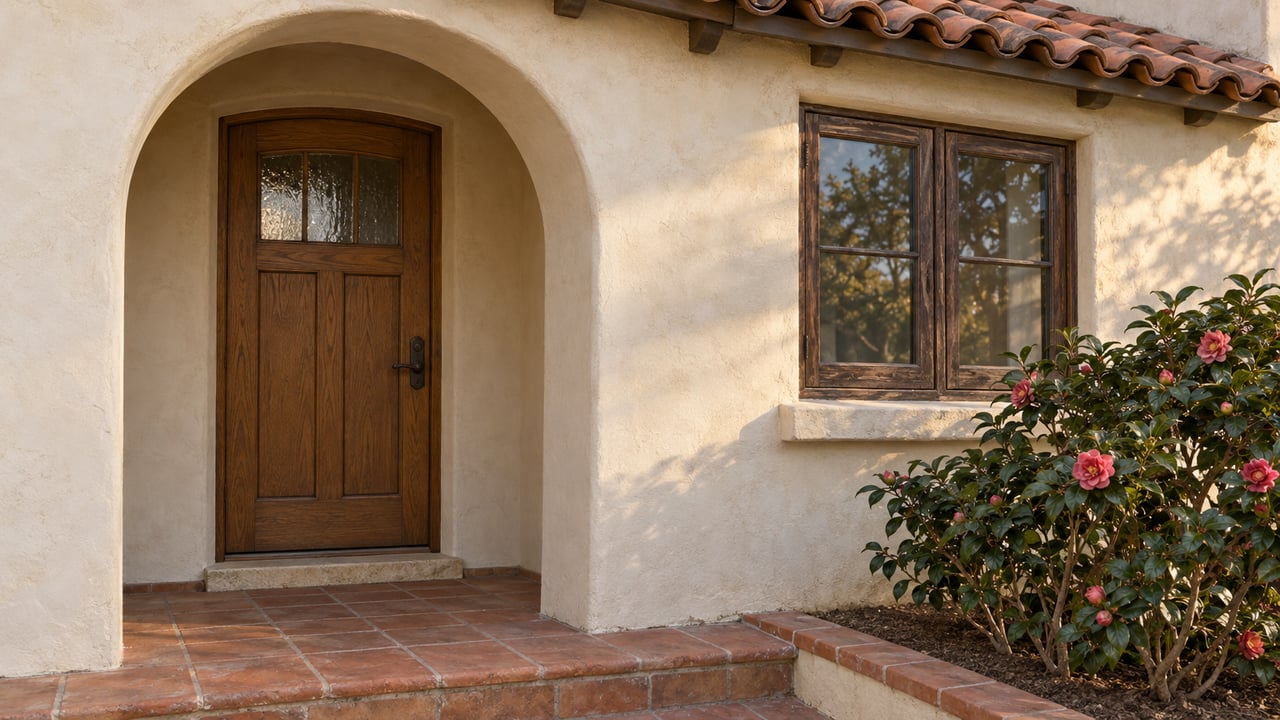
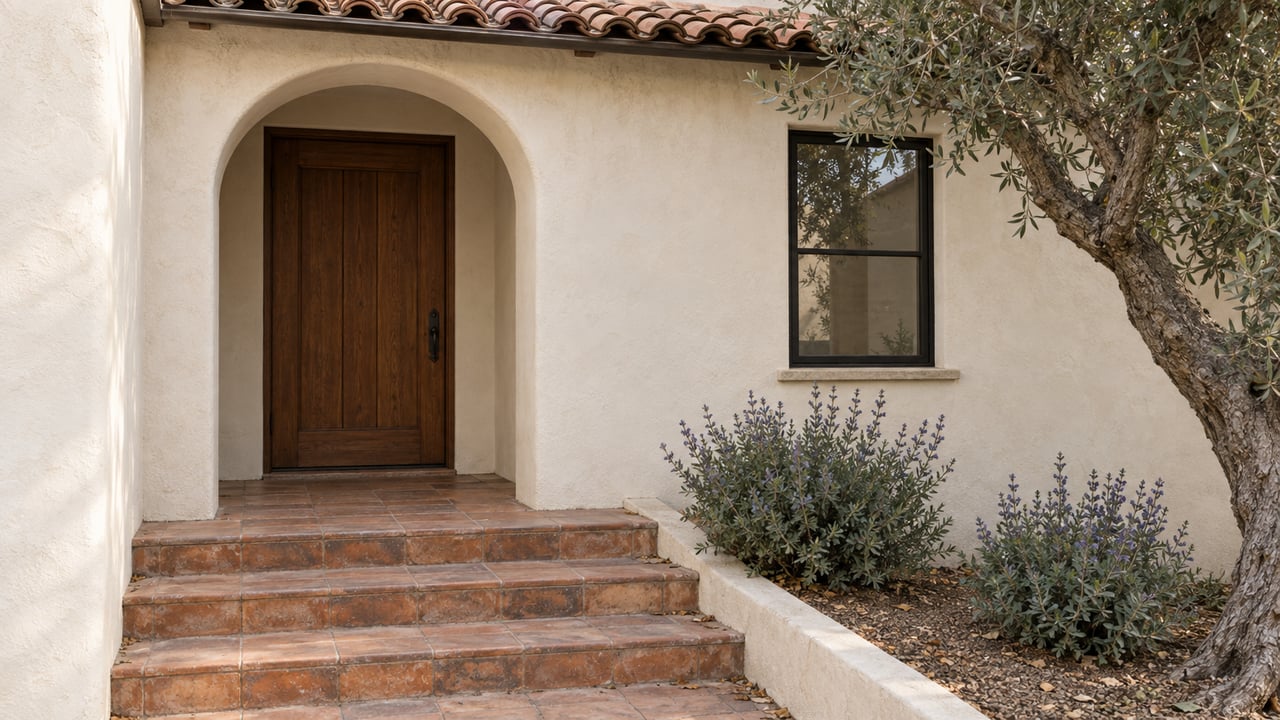
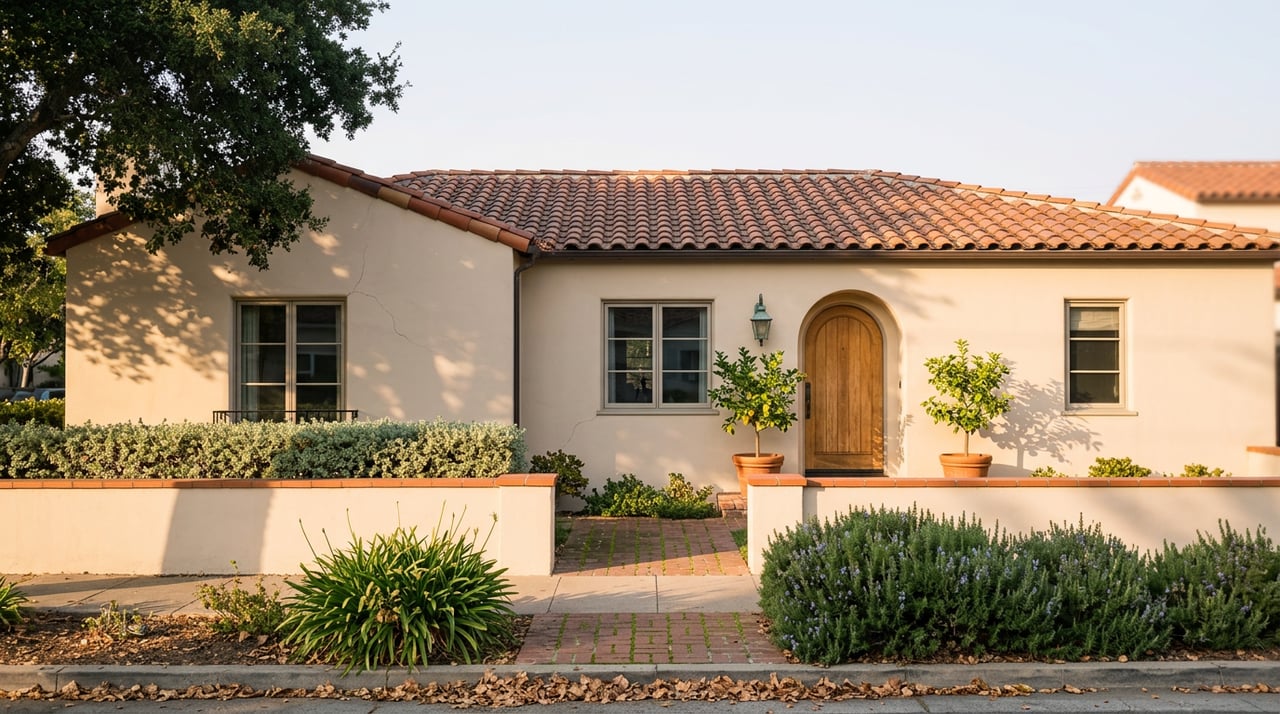
One of Altadena’s biggest strengths is its range of home styles. The housing stock includes modest Craftsman bungalows, Spanish-influenced homes, Norman and Tudor cottages, Cotswold-style houses, traditional early 20th-century homes, and some Modernist properties.
For buyers who care about design, this variety is part of the draw. Altadena has a large concentration of early- and mid-20th-century housing, and many streets still reflect that older architectural fabric. You are often choosing not just a floor plan, but a particular style and era.
Some pockets are especially known for distinct housing types. Janes Village is recognized for its Norman-style cottages, while North Garfield includes Spanish, Cotswold, and traditional houses in a compact historic enclave. In other areas, estate-scale homes and larger parcels create a very different feel.
How to think about Altadena’s pockets
Altadena is not one uniform market. Different parts of town can feel quite different, and your experience as a buyer will depend a lot on which pocket matches your priorities.
West and southwest Altadena
West and southwest Altadena tend to feel more gridlike and a bit closer to an urban edge. Historically, the west side attracted development in part because it was flatter. For buyers, this area may make sense if you want easier access toward Pasadena and a setting that feels somewhat less secluded.
Northwest and north-central historic pockets
If you are drawn to character homes, these areas are worth close attention. Historic pockets in northwest and north-central Altadena are where the town’s cottage and period-home identity often comes through most clearly. Janes Village and North Garfield are two examples that highlight this side of Altadena.
Christmas Tree Lane is another well-known corridor with long-standing local significance tied to its deodar trees and holiday tradition. Even when you are not shopping directly on a landmark street, nearby historic areas often carry a strong sense of place that matters to buyers.
East and foothill-adjacent Altadena
This is where larger lots, more privacy, and stronger view orientation often become the headline features. Country Club Park was originally laid out with especially generous lot dimensions, and historic marketing emphasized views toward the San Gabriels and Catalina. The Equestrian Block also reflects Altadena’s history of larger residential parcels and horse-property use.
If your wishlist starts with yard size, outlook, and room to spread out, east and foothill-adjacent areas may rise to the top. These pockets often appeal to buyers who are less focused on compact charm and more focused on land, setting, and long-term flexibility.
What Altadena prices really reflect
As of March 2026, Altadena pricing sat around the million-dollar mark by several common metrics. Zillow’s Altadena home value index was $1,117,759 as of March 31, 2026, while Redfin reported a March 2026 median sale price of $1.1 million. Redfin also reported 40 median days on market and 23 sales in March.
Those numbers are helpful, but they only tell part of the story. Altadena is a place where one townwide number can hide a lot of variation. Price often depends less on a simple average and more on the exact pocket, lot size, condition, and whether the home is original, updated, or rebuilt.
Price per square foot can also be misleading here. Redfin reported a citywide median sale price per square foot of $837, but micro-markets had tiny sample sizes that month. Janes Village showed a median sale price of $993,000 with only two sales, and Christmas Tree Lane showed a $1.1 million sale with only one sale.
That means you should be careful about drawing broad conclusions from small neighborhood snapshots. In Altadena, a handful of sales can shift local numbers fast. Looking at recent comparable homes in the same pocket is usually more useful than relying on one headline stat.
Why some homes command a premium
Current asking prices help show what buyers are paying up for. In the Country Club area, Redfin’s search page showed a median listing price of $1.58 million, including a 20,451-square-foot corner lot with mountain views. On Christmas Tree Lane, a 1908 Craftsman and Colonial Revival estate was listed at $1.75 million on a 0.36-acre lot.
These examples are not rules, but they do illustrate how Altadena buyers often assign value. Land, views, architectural character, and setting can move pricing as much as, or more than, raw square footage. A smaller historic home in a beloved pocket may compete strongly, while a larger foothill parcel may attract a completely different buyer pool.
If you are comparing homes here, it helps to ask a few direct questions:
- How much of the value is in the land?
- Is the premium tied to views, privacy, or architecture?
- Is the home updated, largely original, or positioned as a rebuild?
- Are you comparing the same type of Altadena pocket?
Buyer due diligence matters in Altadena
Altadena’s natural setting is a huge part of its appeal, but it also means buyers need to pay attention to practical details. Wildfire risk and insurance should be part of your early due diligence, especially if you are looking in foothill areas or considering a rebuild parcel.
Los Angeles County explains that Wildland-Urban Interface areas and Fire Hazard Severity Zones may be subject to fire-resistive building rules. The county’s recovery guidance also notes that Chapter 7A applies to rebuilding in fire-hazard zones. These issues can affect your renovation plans, rebuilding path, and insurance conversations.
The California Department of Insurance says insurers must now offer wildfire-mitigation discounts ranging from 4% to 40%. That makes it especially important to understand what protections or improvements may already be in place at a property and what options may be available after closing.
Trees are part of the value too
Altadena’s mature trees are not just pretty scenery. They are a core part of the neighborhood character that many buyers respond to right away. Altadena Heritage has described canopy restoration and the urban forest as major priorities because trees contribute to shade, cooling, and the look and feel of the community.
For you as a buyer, that means trees can be both an asset and a responsibility. A mature canopy can add comfort, beauty, and privacy, but it can also bring maintenance needs over time. If a property’s landscaping is one of the reasons you love it, make sure you understand the long-term care that comes with it.
The bottom line for buyers
Altadena usually makes the most sense when you want more than just a house. You may be looking for a larger yard, a mountain backdrop, a historic cottage, or a property with a little more room to evolve over time. What makes this market special is that those priorities often carry real weight in both lifestyle and price.
The key is to search with a pocket-specific mindset. A charming cottage in a historic enclave, a larger home on a generous lot, and a foothill-adjacent property with views may all live under the Altadena name, but they can offer very different buying experiences. When you understand those differences early, you can focus your search with much more clarity.
If you’re thinking about buying in Altadena and want a local, strategy-first approach, the Lexi Newman Team is here to help you navigate the details, compare pockets, and find the right fit.
FAQs
What makes Altadena different from other Los Angeles-area neighborhoods for buyers?
- Altadena stands out for its larger lots, mature trees, mountain setting, and wide range of character homes, along with a more residential feel than many denser LA neighborhoods.
What types of homes can buyers expect to find in Altadena?
- Buyers will commonly see Craftsman bungalows, Spanish-influenced homes, Norman and Tudor cottages, Cotswold-style houses, traditional early 20th-century homes, and some Modernist properties.
What should buyers know about Altadena lot sizes and views?
- In many parts of Altadena, especially near the foothills, lot size, privacy, and mountain views are major value drivers and can matter as much as the home’s interior size.
What is the Altadena housing market like in 2026?
- As of March 2026, Altadena’s pricing was around $1.1 million by major market metrics, but values varied widely by pocket, lot size, condition, and property type.
What should buyers know about permits in Altadena?
- Because Altadena is unincorporated, planning and permit questions are generally handled through Los Angeles County rather than a city government.
What should buyers consider about wildfire risk in Altadena?
- Buyers should treat wildfire risk, insurance availability, and fire-resistive building rules as important early due diligence, especially for foothill properties or rebuild opportunities.