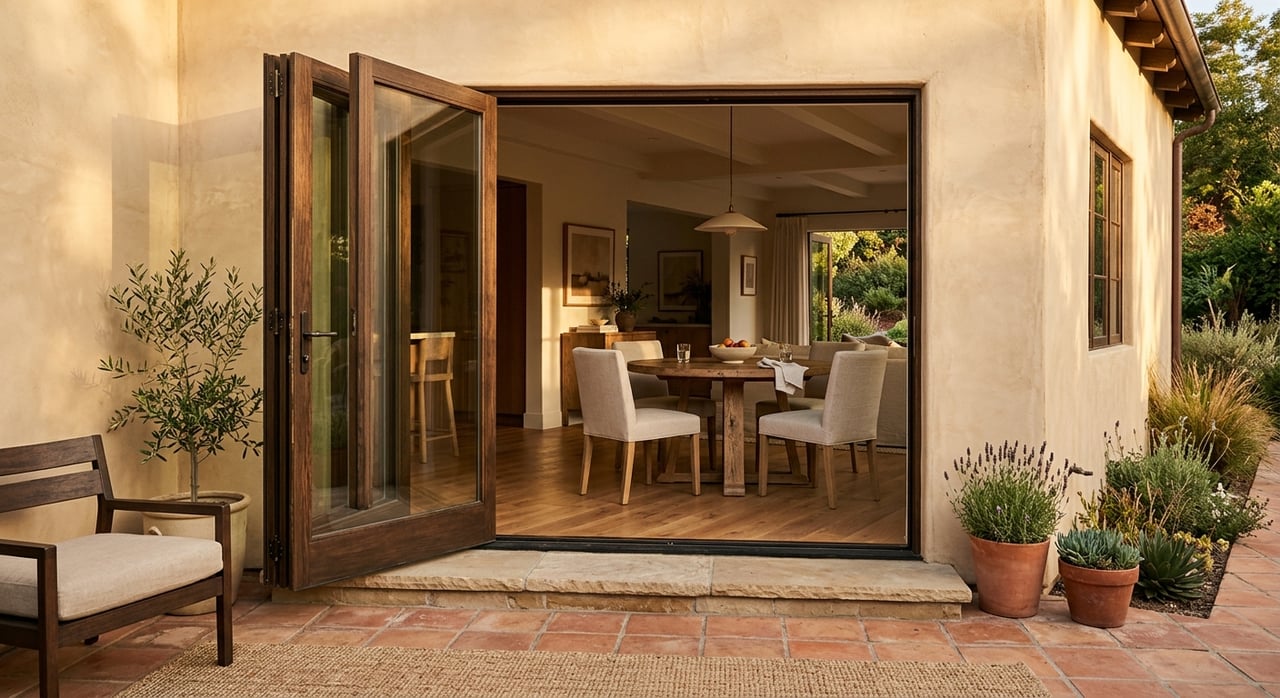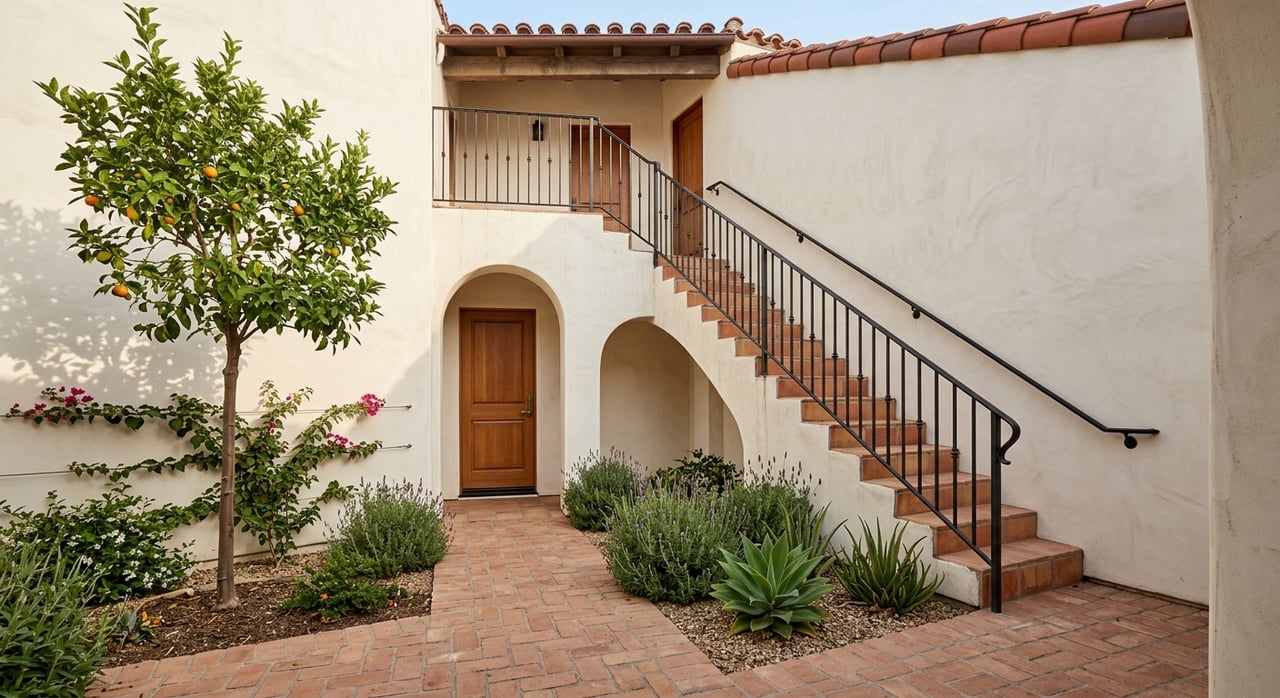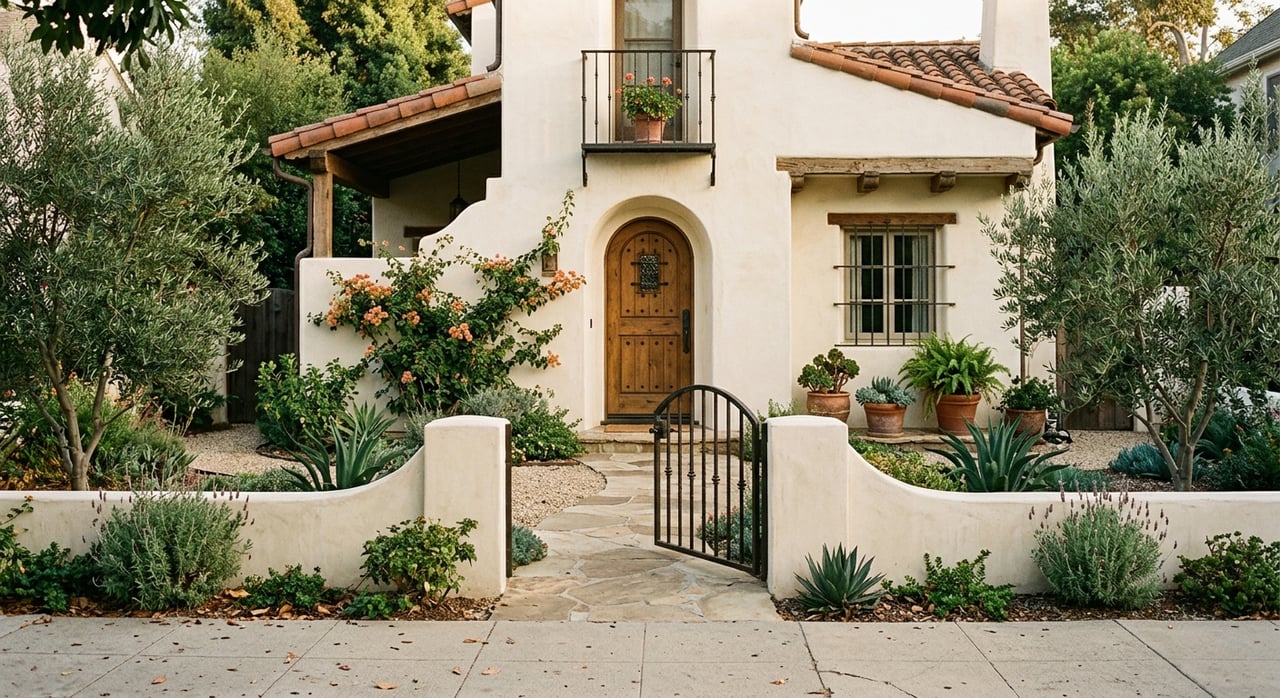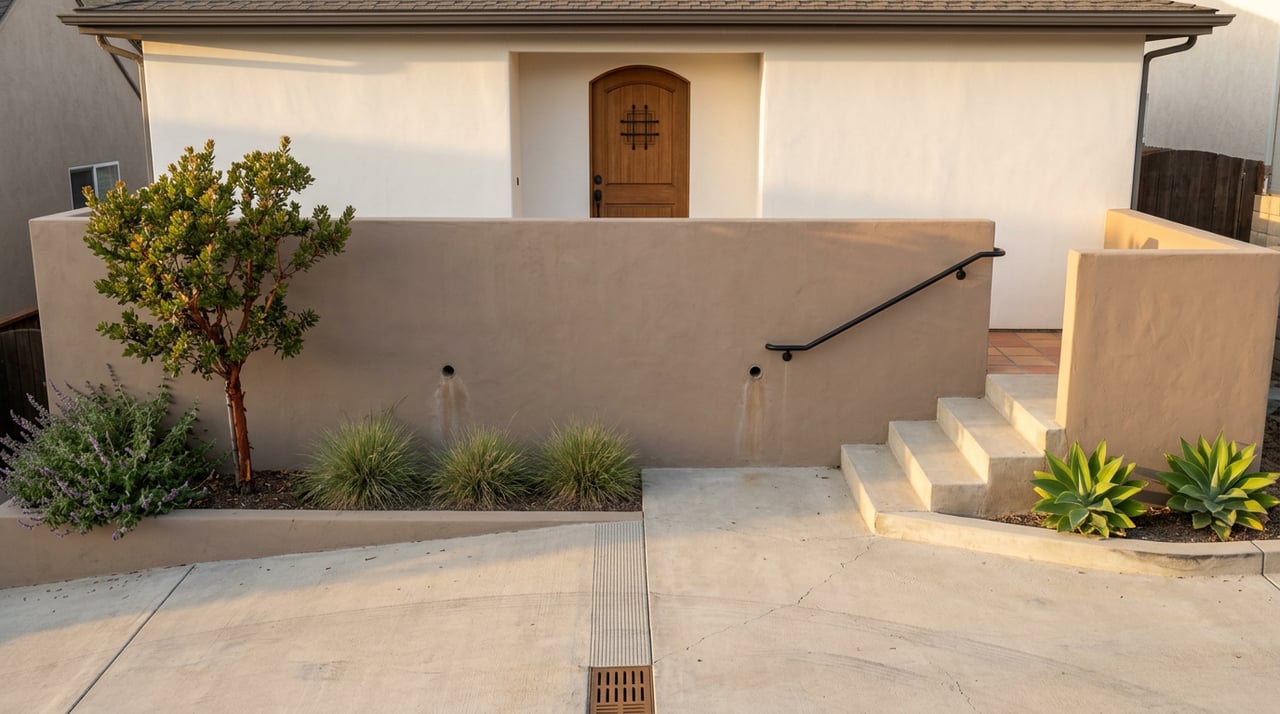
Craving big-sky views and morning trail walks, but not sure what hillside living in Montecito Heights really asks of you? You’re not alone. The hills here offer a special mix of privacy, nature, and light, yet they also come with logistics that flat lots rarely face. In this guide, you’ll learn the real trade-offs, the rules that shape projects, a practical due-diligence checklist, and what costs to expect so you can buy with clarity. Let’s dive in.
Montecito Heights at a glance
Montecito Heights is a residential hillside pocket of Northeast Los Angeles, wrapped by the Montecito and San Rafael hills and anchored by Ernest E. Debs Regional Park. The open space, trails, and tree cover are a big draw for buyers who want an urban-meets-nature feel. Lots are often steep and irregular, and streets curve toward ridgelines with short dead-ends. That hillside character delivers views and quiet, and it also shapes how you live day to day, from parking to package delivery. For more on the area’s open space and topography, see the city’s Debs Park framework materials that describe the terrain and trail network in detail at Ernest E. Debs Regional Park.
Daily-life trade-offs on the hills
Hillside streets can be narrow or steep, and driveways may be long, angled, or absent. Some homes sit above the street so you enter by stairs from curb parking. This affects groceries, furniture moves, deliveries, and guests. It is smart to count steps to the front door and confirm where the nearest legal parking is during showings.
Parking rules can shift with weather and season. On designated Red Flag days, the Los Angeles Fire Department may restrict parking on certain hillside streets to keep routes clear for evacuation and fire apparatus. Before you fall in love, check posted signs and learn about the area’s Very High Fire Hazard Severity Zone status on the LAFD fire zone page.
Commute and transit basics
By car, Montecito Heights is only minutes to downtown Los Angeles in normal traffic. Light rail and bus options exist nearby, with A Line connections and bus routes around Avenue 43 and Griffin. Your transit experience depends on where you buy in the hills and how comfortable you are with uphill walking from a stop to your front door. You can preview routes and stop locations using local trip tools that map options around Avenue 43 and Griffin.
Fire risk and vegetation rules
Much of Montecito Heights sits inside the LAFD’s Very High Fire Hazard Severity Zone. If a property is in the zone, you will see brush clearance requirements, defensible space standards, and possible temporary no-parking restrictions on Red Flag days. Expect LAFD review on many hillside building permits as well. The LAFD overview of fire zones explains the program and why access and vegetation management are taken so seriously.
Slopes, drainage, and structure
On a hill, water management is half the battle. Poor drainage, clogged gutters, or failing retaining walls can trigger soil movement, undercut foundations, and send debris onto lower lots during storms. The City’s hillside guidance places heavy emphasis on slope stability, retaining wall design, and stormwater routing. Before you waive contingencies, plan for a close look at roof drainage, downspouts, site flow, and any walls or terraces referenced in the City’s Baseline Hillside Ordinance guide.
Permits and rules that shape projects
Los Angeles uses the Baseline Hillside Ordinance, which changes how maximum residential floor area is calculated on sloped lots and limits grading. Two ideas matter for buyers who plan to add on:
- Residential Floor Area (RFA) is tied to the lot’s slope bands, not just square footage.
- Grading and height rules aim to reduce large-scale cuts and fills, which can affect expansion plans.
Many hillside permits require a slope-band analysis that the City must verify before approvals. Retaining walls above the code-exempt threshold need engineered plans and permits, and grading often requires clearances from LADBS and the Bureau of Engineering. For a plain-English overview of how hillside rules affect timelines, read this summary of Los Angeles permitting steps and seasonal grading considerations from a local consultant’s guide to L.A. permitting for hillside work. For official permit history, start with the City’s public records tools at LADBS Online Building Records.
Smart due-diligence checklist for buyers
Bring this list to showings and use it during escrow:
- Natural Hazard Disclosure first. Review whether the parcel sits in mapped hazard zones, including very high fire severity or earthquake-related areas. California’s statute explains what is disclosed in the NHD. See the state law at Civil Code 1103.2.
- Geotechnical review. Order a soils evaluation if the NHD, a prior report, visible slope work, or steep topography raises flags. It guides foundation, retaining wall, and drainage design.
- Structural engineer inspection. Have a licensed civil or structural engineer check foundations, caissons if present, visible cracks, and how the house interacts with any retaining walls.
- Retaining wall verification. Ask for permits and engineering for all retaining walls. Unpermitted or undersized walls on steep slopes can be high risk.
- Drainage and gutter audit. Trace roof runoff and surface flow. Look for erosion, undercutting at the base of slopes, or water that concentrates at property lines.
- LADBS and ZIMAS records. Pull permits, inspection cards, and any code enforcement history at LADBS Online Building Records. Treat unpermitted work as a material risk.
- Wildfire compliance. Confirm whether the parcel is in the VHFHSZ and whether there are active brush-clearance notices using resources linked from the LAFD fire zone page.
- Sewer and wood-destroying organism checks. Hillside access can make repairs pricier, so know the condition up front.
- Seller documents. Request prior geotechnical reports, wall engineering drawings, and maintenance logs for drainage and slope repairs.
- Insurance confirmations. Ask your insurer in writing about wildfire, earth movement, debris flow, and earthquake coverage. The California Department of Insurance has reminded carriers that when wildfire is the efficient proximate cause of a later mudslide or debris flow, those losses may be treated as covered. Read the state’s guidance in Bulletin 2025-3.
Insurance to understand
Standard homeowners insurance in California typically excludes earthquake and most earth movement perils. Many owners purchase separate earthquake policies through the California Earthquake Authority, sold by participating insurers. Coverage details and deductibles vary widely, so build time into escrow to compare quotes and confirm eligibility for a hillside address. Always get your insurer’s answers in writing, especially on earth movement and debris flow questions.
Costs, timelines, and budgeting
Hillside fixes and upgrades can cost more than the same work on a flat lot. A small garden wall might be a few thousand dollars, while an engineered concrete or masonry wall on a steep slope can run into the mid five figures and beyond. See a consumer overview of retaining wall cost ranges in this Angi guide, then obtain two local bids and an engineer’s scope for your site.
For foundations, complex hillside projects that use caissons or drilled piers often require engineering and construction budgets in the tens of thousands, depending on design and the number of elements. An engineering firm’s primer on deep foundations for Los Angeles hillsides outlines why scope drives cost in this article on caissons and design fees.
Permitting can also take longer on the hills. Expect added steps for slope-band verification, grading review, fire access, and potential haul routes for earth import or export. Seasonal restrictions on grading may limit when major earthwork can happen, which affects schedules. A concise overview of these timing issues appears in the local guide to L.A. permitting for hillside work.
Red flags that call for caution
Some issues deserve serious price adjustments or a pass:
- Unpermitted retaining walls or slope repairs without engineering sign-off.
- Signs of active slope movement such as fresh cracks, bulging walls, or shifted steps and driveways.
- Recurrent drainage failures, gutters that dump water at the toe of a slope, or ponding near foundations.
- Major work with no permit records and a seller who cannot provide engineering or geotechnical documentation.
A quick scenario to pressure-test fit
Picture this: You want sunset views and a quick DTLA commute, but your parent visits often and uses a cane. You find a two-bedroom with killer vistas above a winding street, yet the front door sits 35 steps up from curb parking and there is limited guest parking. An inspection shows older gutters that spill onto a slope and a tall retaining wall with no permit file in City records. In this case, you would likely prioritize either a home with driveway access close to the entry or negotiate a price that covers new drainage, an engineered wall assessment, and a realistic parking plan.
How we can help
Choosing a hillside home is both a lifestyle and a logistics decision. You deserve a local, steady hand to translate the terrain, the rules, and the risks into a clear plan. As a boutique team based at Compass Highland Park, we pair hyperlocal knowledge of Northeast L.A.’s hills with concierge-level attention, smart pricing guidance, and vetted inspector and engineer referrals. If you are weighing Montecito Heights against nearby flat Eastside options, we will help you compare trade-offs, quantify costs, and position your offer with confidence.
Ready to find your fit in the hills? Connect with the Lexi Newman Team for a focused, neighborhood-first strategy and a calm, expert process from search to close.
FAQs
What makes Montecito Heights different from flat Eastside neighborhoods?
- It is a hillside micro-region with steep, irregular lots, curving streets, and large open-space access at Debs Park, which creates great views and privacy but also more stairs, tighter parking, and unique permitting.
How does the Baseline Hillside Ordinance affect my remodel?
- The City calculates allowable floor area using slope bands, limits grading, and may require a slope-band analysis before permits, which can change what, where, and how big you can build.
Are Montecito Heights homes in a wildfire zone?
- Many hillside parcels fall within the LAFD Very High Fire Hazard Severity Zone, which brings brush clearance rules, potential Red Flag no-parking restrictions, and added fire-access reviews on permits.
What inspections are most important on a hillside property?
- In addition to standard home inspections, prioritize a geotechnical review, a structural engineer’s assessment, a full drainage and gutter audit, and verification of retaining wall permits and engineering.
Do standard homeowners policies cover mudslides on hillsides?
- Earth movement is often excluded, but the California Department of Insurance has told carriers that when wildfire is the efficient proximate cause of later mudslides or debris flows, those losses may be treated as covered, so confirm details in writing with your insurer.
How should I budget for retaining wall or foundation work?
- Costs vary widely by design and site; engineered retaining walls can reach the mid five figures, and deep-foundation design and construction for complex hillsides can run into the tens of thousands, so obtain two local bids and an engineer’s scope before committing.